
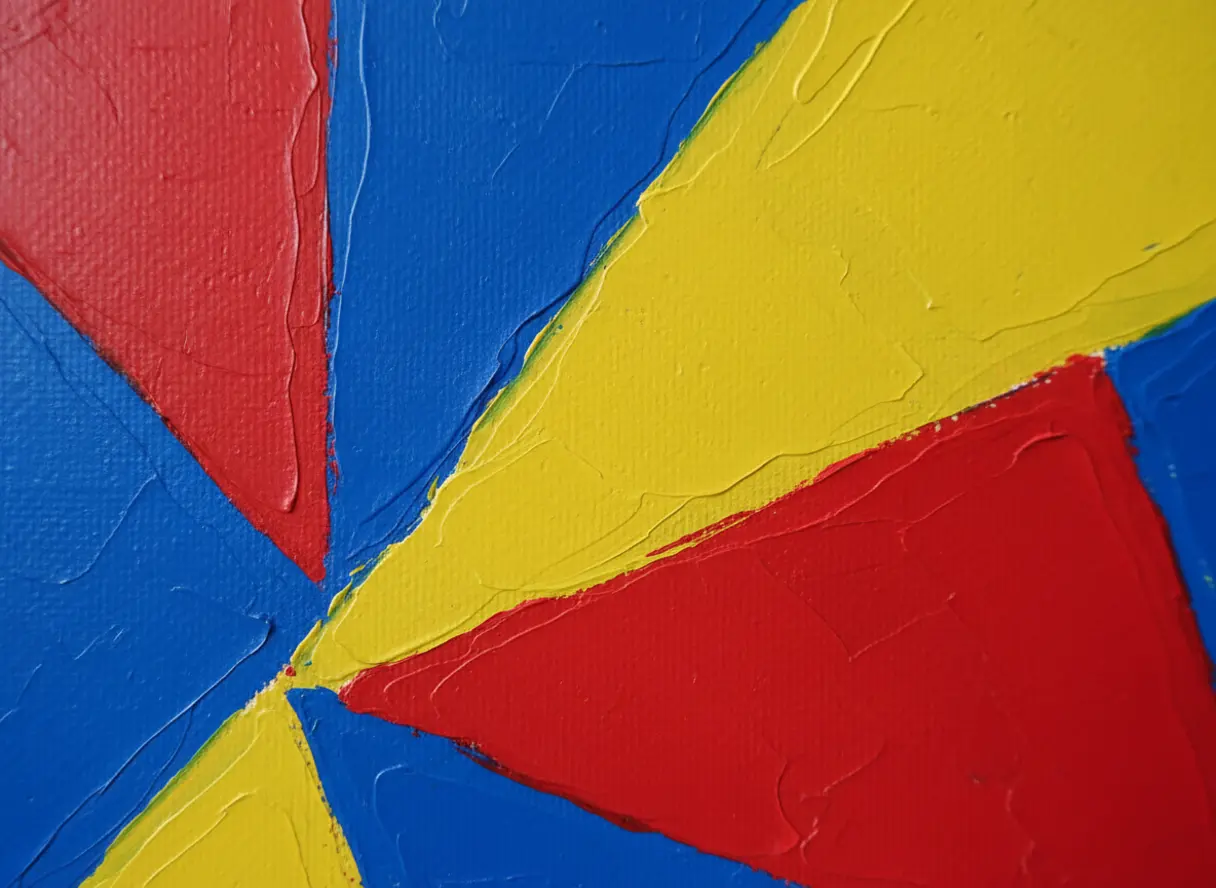
This collection of 15 projects focuses on bold shapes and structured palettes that help kids build confidence while keeping the mess manageable. Whether you are drawn to cheery primary colors or soft pastel gradients, there is a starting point here that matches your child’s personality and your decor style. Each idea is designed to celebrate the process, not perfection, and the finished piece will feel more like a thoughtful wall accent than a school art project. Let us explore the possibilities and get those little hands moving.
Achieving Razor Sharp Edges With Masking Tape
The most common reason a geometric project fails is paint bleeding under the tape edges, turning crisp lines into fuzzy messes. You resolve this by applying a thin layer of your base background color over the tape seams first. This seals the tape edges with a paint that matches the background, so any seeping becomes invisible. Use a firm, flat brush to push the paint right up to the tape line.
Let this seal coat dry completely before you fill in your geometric shapes with the final, vibrant colors. When executing these geometric painting ideas for kids, the best results come from pressing your painter’s tape down firmly against a smooth surface like a primed MDF board or stretched canvas. This simple prep step makes all the difference for a professional finish.
Developing Balanced Color Palettes For Geometric Art
Choosing more than three colors for a child’s geometric painting often leads to a chaotic, muddy final piece. Stick to a limited palette of a main hue, a strong contrast, and a neutral or white for the best visual impact. This constraint forces creative thinking about placement and pattern instead of overwhelming the eye.
Bold primary colors work wonderfully for this style, but so do softer pastels against a dark background. The key is ensuring each segment of your triangles or diamonds has high enough contrast with its neighbor to stand out. Plan your color placement on paper first, treating it like a map for your painting session. A well-chosen color palette teaches kids about harmony and makes the assembly process much smoother when exploring new geometric painting ideas for kids.
1. Tape Resist Multi-Colored Triangle Canvas
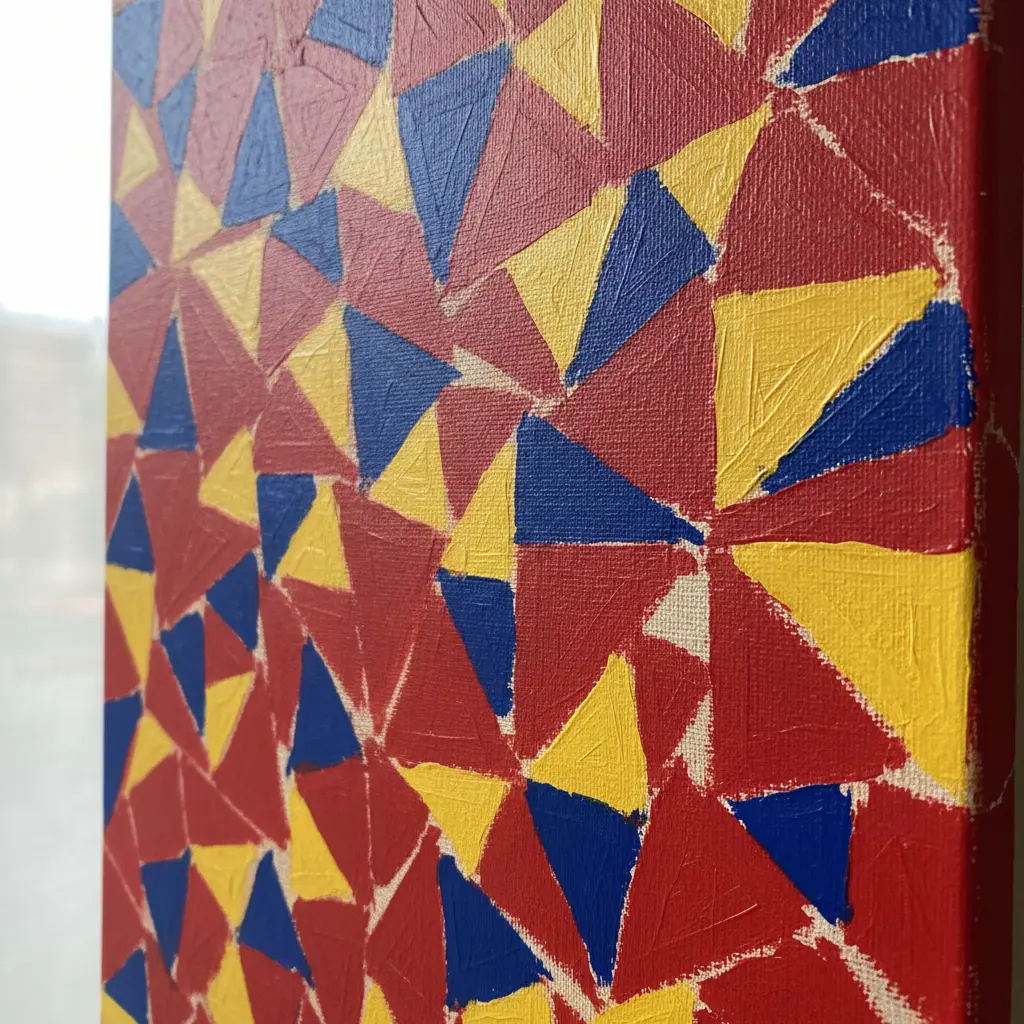
This one looks so professional you will not believe it started with a roll of painter’s tape. The technique is simple: you tape off a pattern of triangles on your canvas, then paint each section with bold acrylic colors. When you peel the tape away, you reveal perfectly crisp white lines that make your geometric shapes pop.
It is a satisfying trick that feels like magic. The secret behind successful geometric painting ideas for kids involves pressing that tape down firmly before you paint to prevent any bleeding. I love letting kids pick a vibrant color palette of three or four shades, because the final result is so graphic and modern.
If your young artist enjoys making a colorful mess, they might get a kick out of combining this clean style with some splatter painting techniques on a separate paper first. That way, they get to explore both controlled and wild artistic energy in one session. Feel the pride when that finished canvas goes up on the wall.
2. Sponge Stamped Grid Pattern Poster
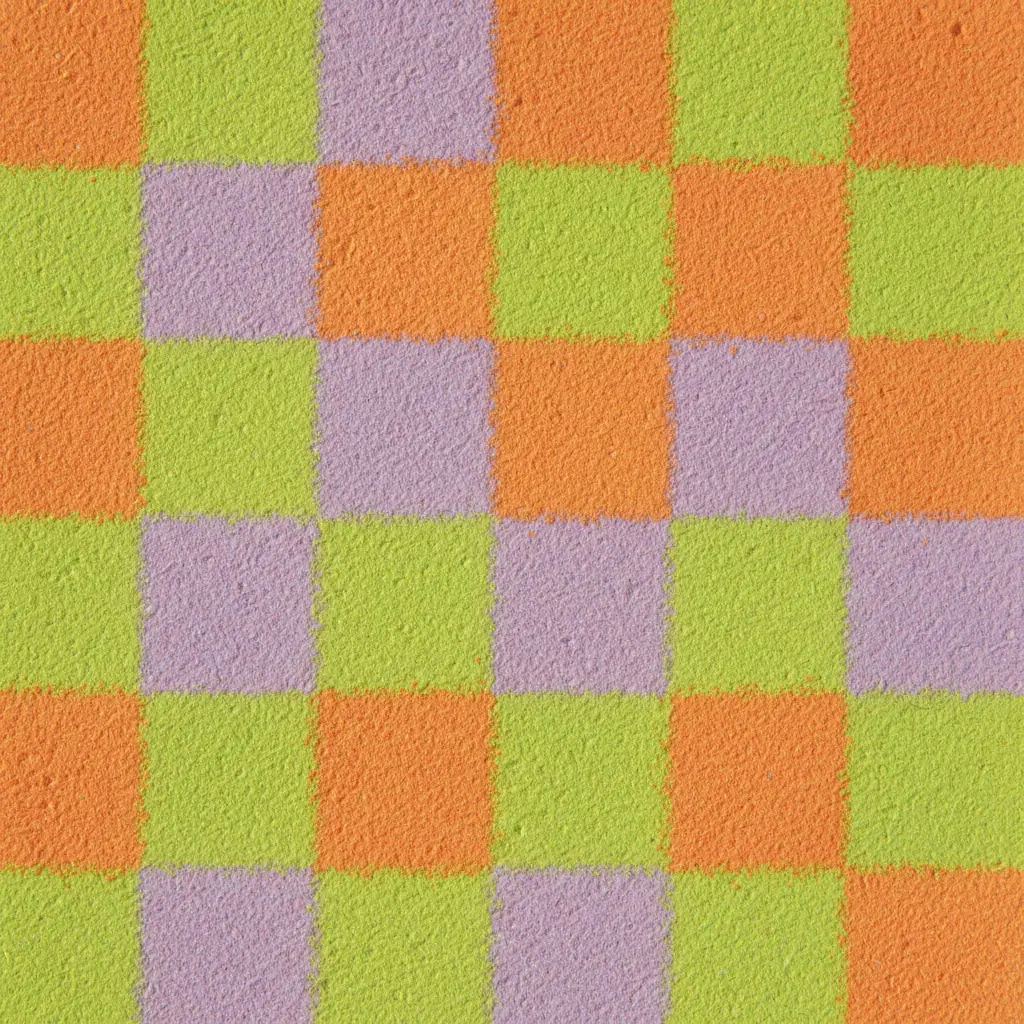
This one looks so impressive but is incredibly simple to pull off. You start by drawing a light pencil grid on your poster board. Then, dip a cut kitchen sponge into your paint, blot it, and stamp a repeating pattern inside each square. The grid keeps everything organized while the sponge gives you that wonderfully textured, slightly imperfect look.
It is the perfect balance of structure and creative play. Your kids will love the tactile feel of stamping and seeing the pattern emerge. A pro tip I always share is to practice your stamping on scrap paper first to get a feel for the pressure.
This helps avoid muddy blobs and makes those clean shapes pop while you develop your geometric painting ideas for kids. If your young artist loves working with color, they will enjoy exploring other simple, vibrant projects like watercolor heart painting ideas. The satisfaction of peeling back that first perfect stamp is unbeatable.
3. Mondrian Style Primary Color Block Panel
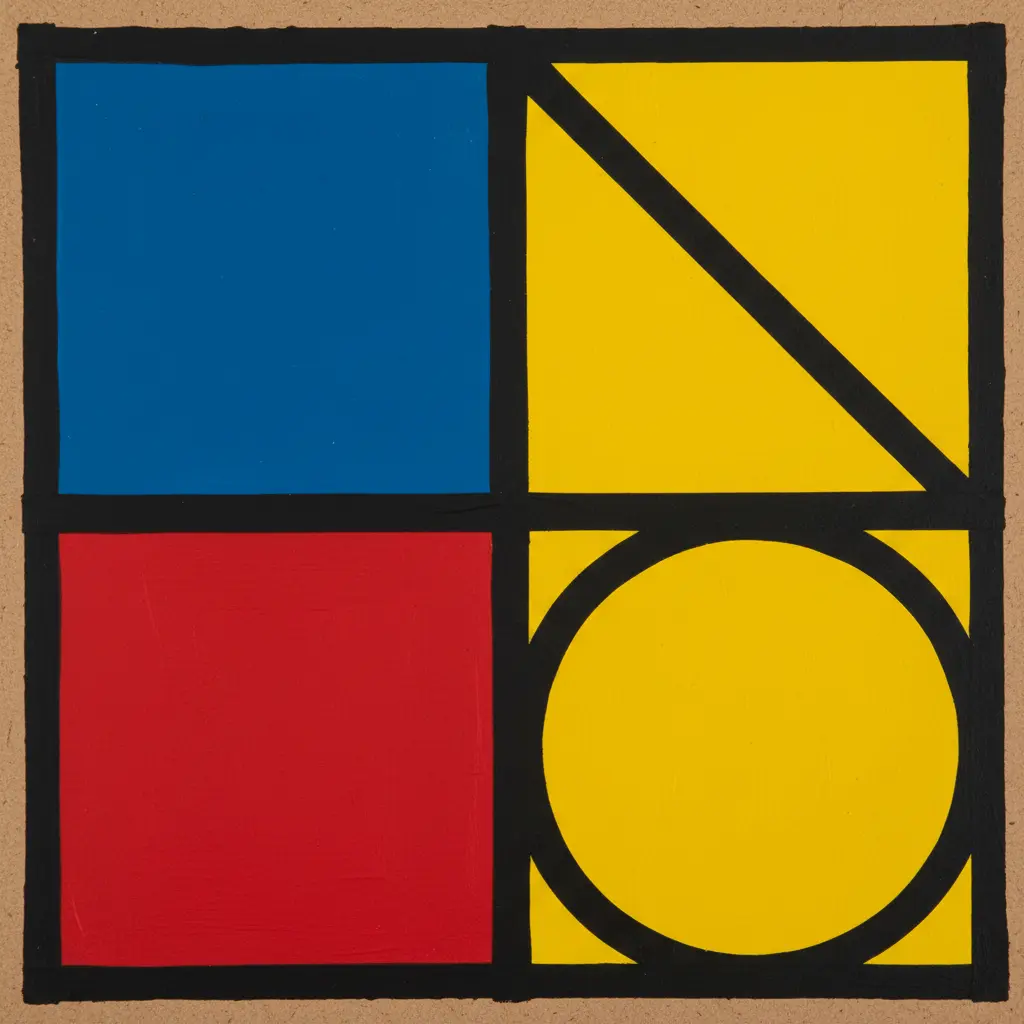
Who would have thought abstract art could be so approachable for young painters? This project looks complex, but it is built on a simple grid of rectangles and squares. You and your child will fill some blocks with bold primary colors like red, yellow, and blue, leaving others pure white.
The whole design gets defined by those iconic, thick black lines taped off for crisp edges. I love how this style turns a basic geometric layout into a striking piece of modern art when testing fresh geometric painting ideas for kids. The limited palette makes color choices easy and the masking tape ensures success, even if a steady hand is still a work in progress.
The final result feels both structured and playful, adding a vibrant pop of color to any room. Try it and feel the pride when that clean, graphic panel is complete.
4. Concentric Circle Optical Illusion Painting
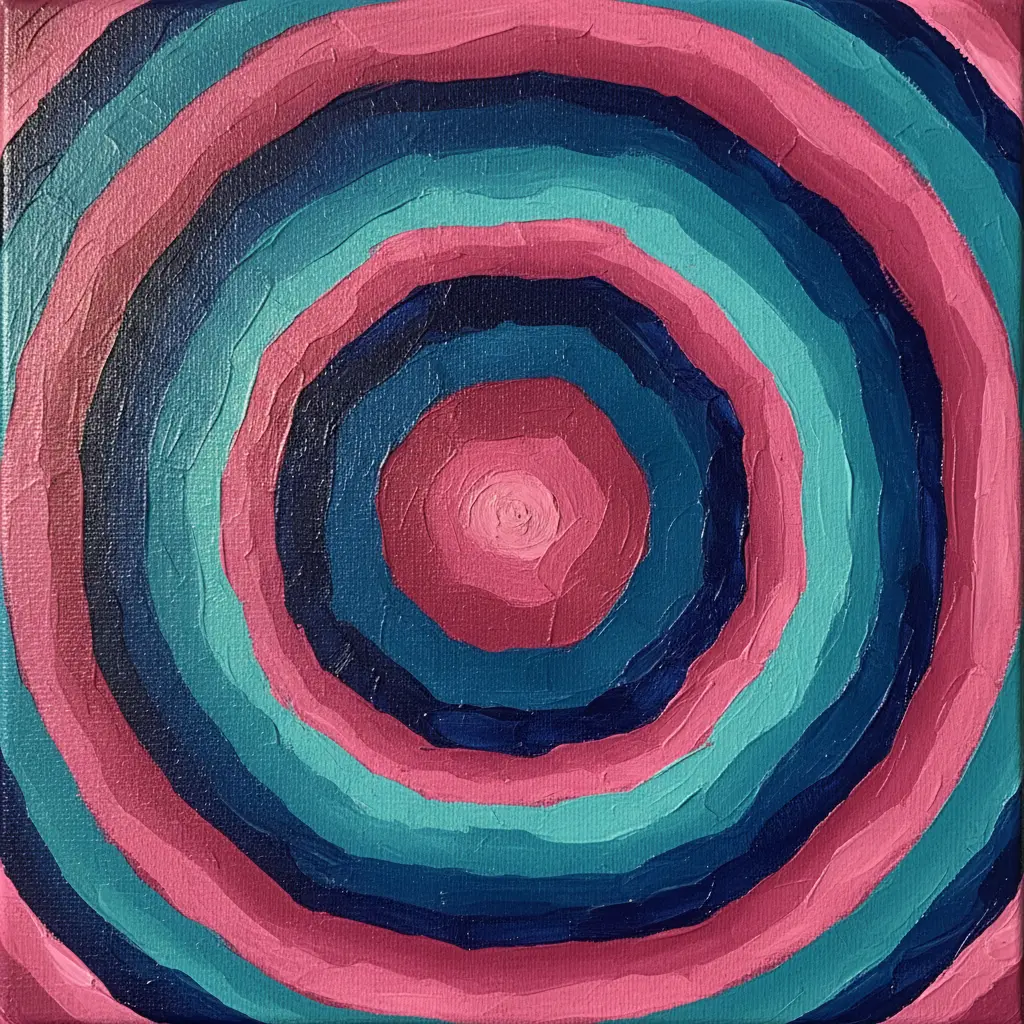
Ever wondered how a simple shape makes your eyes play tricks? This one is a fantastic introduction to the world of optical art. The process is wonderfully methodical.
First, you use a compass to draw perfect circles from a single center point. Then, you fill the alternating rings with high-contrast colors like black and white or bright complements. I love how the precision of the circles makes the magic happen for young artists building geometric painting ideas for kids.
It works because our brains get a bit overwhelmed by the sharp, repetitive patterns, creating a sense of movement or depth on a flat surface. Pro tip: start with two colors to nail the contrast before you get more complex. Once you step back, the rings seem to pulse and spin. Does that not look stunning?
5. Geometric Animal Silhouette Acrylic Art
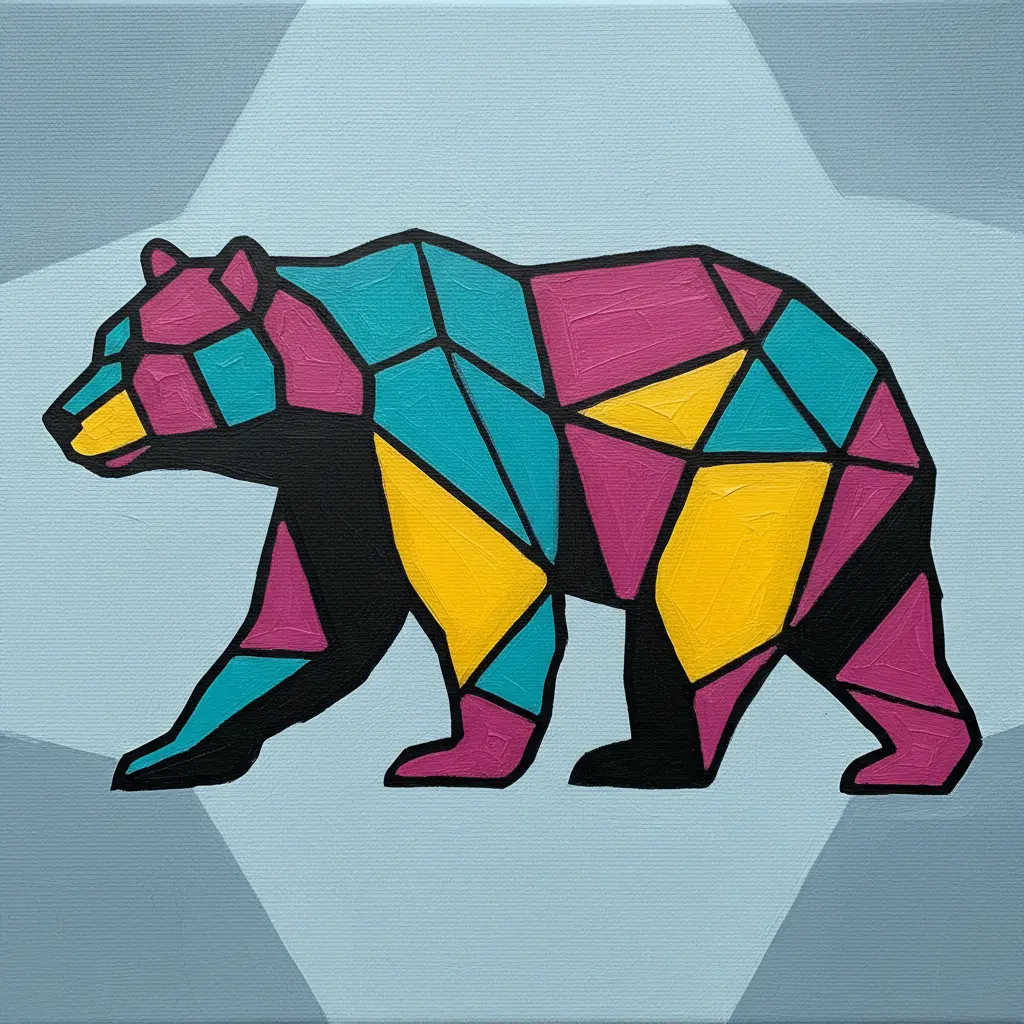
This style looks so complex, but trust me, it is a wonderfully simple project to share with a young artist. You break down a favorite animal shape into big, bold sections like triangles and squares, then fill them with a single, solid color. I love how the clean lines of a polygonal silhouette make a familiar creature look instantly modern and cool.
Using a flat acrylic brush helps you get those crisp, sharp edges inside your animal outline. Let each color dry completely before painting the one right next to it to keep your lines perfect. Isn’t it satisfying to see a recognizable fox or owl emerge from simple shapes when designing geometric painting ideas for kids?
If your young painter loves this kind of structured, hands-on project, they might also enjoy exploring some salt painting techniques for kids. Both activities offer a fantastic mix of creative freedom and a fun, tactile process.
6. Symmetrical Painted Butterfly Shape Display
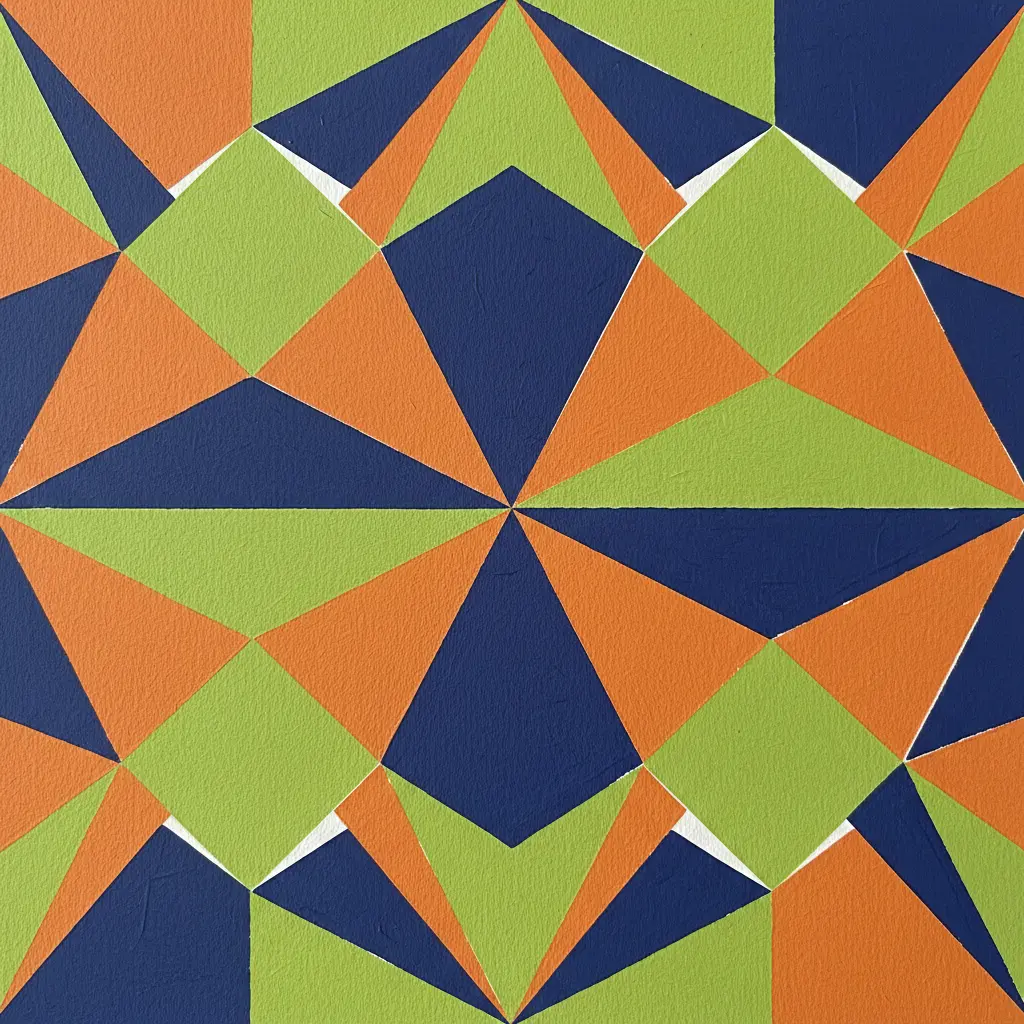
Ever wondered how to make a painting feel perfectly balanced? This project is your answer. The key is focusing on symmetry, where each wing mirrors the other.
Start with a simple butterfly stencil cut from wood or thick cardboard. Paint one side first, then carefully copy your colors and patterns onto the opposite wing. It looks complex, but the process remains straightforward and satisfying while exploring geometric painting ideas for kids.
That moment when you step back and see both sides match is pure magic. It works because our brains find symmetry naturally pleasing and calm. For a fantastic burst of color, look to Holi art activities for kids for vibrant palette inspiration. Feel proud when your symmetrical butterfly takes flight on the wall.
7. Neon Geometric Line Abstract Canvas
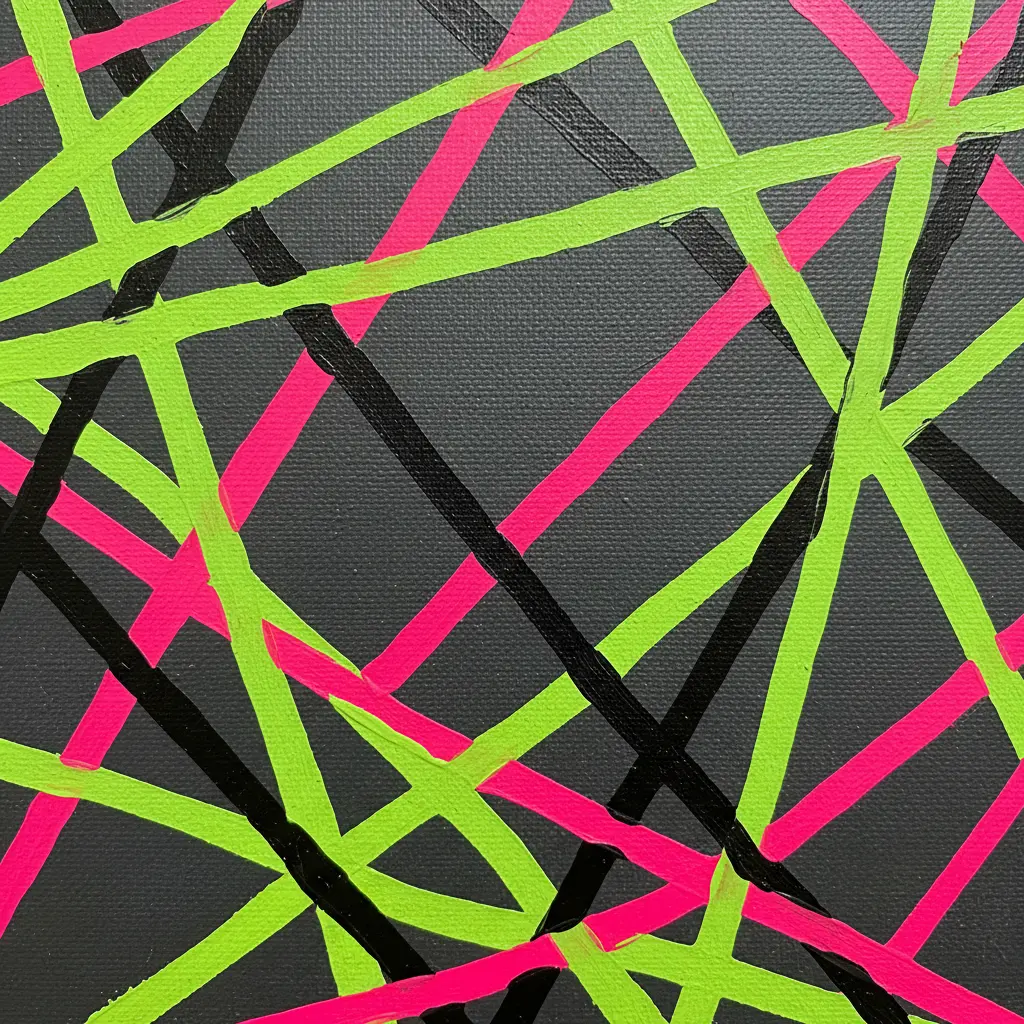
This one looks so advanced, but the secret is that it works like a coloring book page. You start by lightly sketching your sharp lines and shapes with a pencil and ruler. Then, you lay down strips of low-tack masking tape right over those lines to create your crisp borders.
Paint your vibrant neon colors inside those taped-off sections, let everything dry completely, and peel the tape away to reveal those glowing, electric lines. I love how the contrast between a dark background and those fluorescent pinks and greens makes the whole piece pop.
A pro tip I swear by is painting a thin layer of your background color over the tape edge first. This seals any tiny gaps so your neon lines stay razor-sharp. It is incredibly satisfying to watch beginners master geometric painting ideas for kids with such a reliable method. Your kids will be amazed at what they create, and you can find even more creative puffy paint ideas to keep the colorful fun going.
8. Checkered Pattern Stencil Wall Art
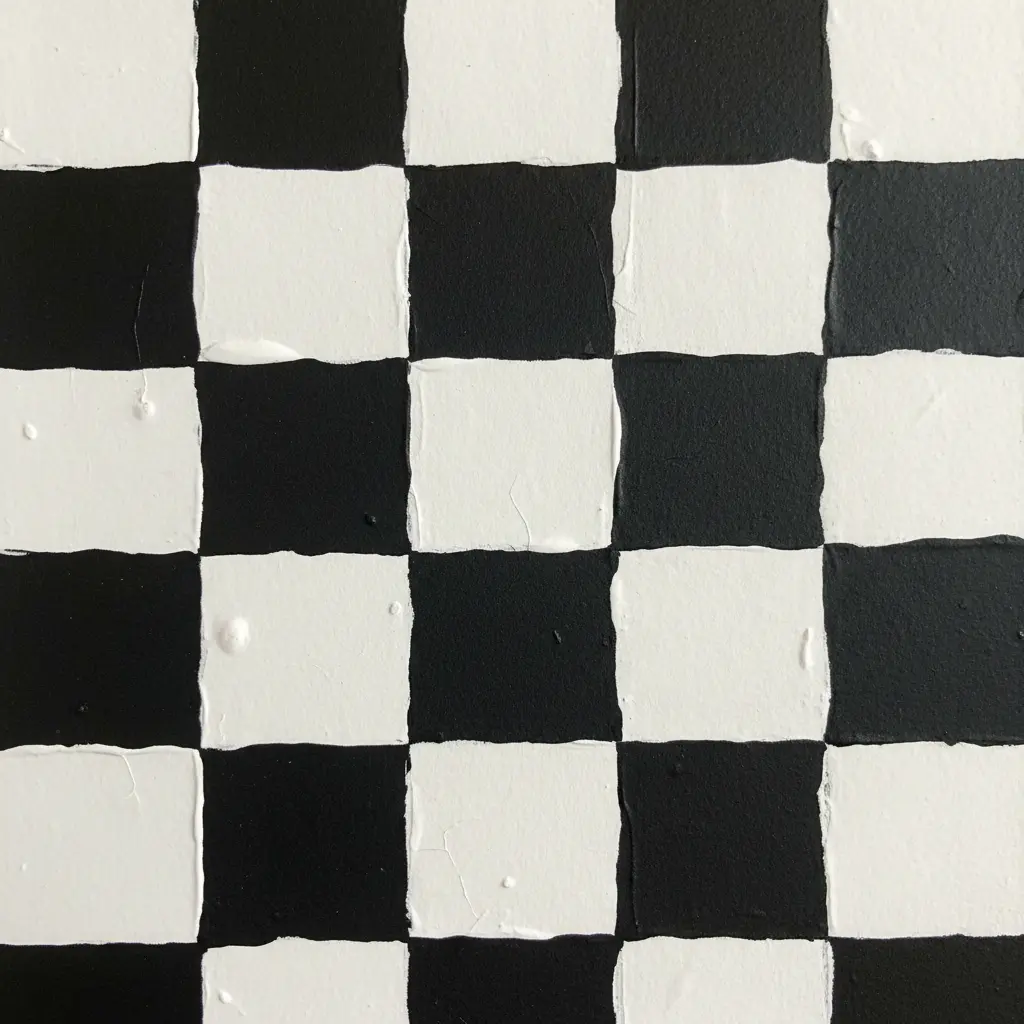
I love this project because it looks complex but is incredibly forgiving. You use a multi-square grid stencil and apply your two chosen colors with a dabbing motion. The key is building up the color in thin layers to keep those crisp, clean edges.
This pattern works so well because it has a timeless, graphic energy that instantly defines a space. You get a playful, modern feel without any wallpaper commitment. Trust me, seeing that perfect grid come to life on your wall is incredibly satisfying for families practicing geometric painting ideas for kids.
9. Gold Leaf Geometric Edge Painting
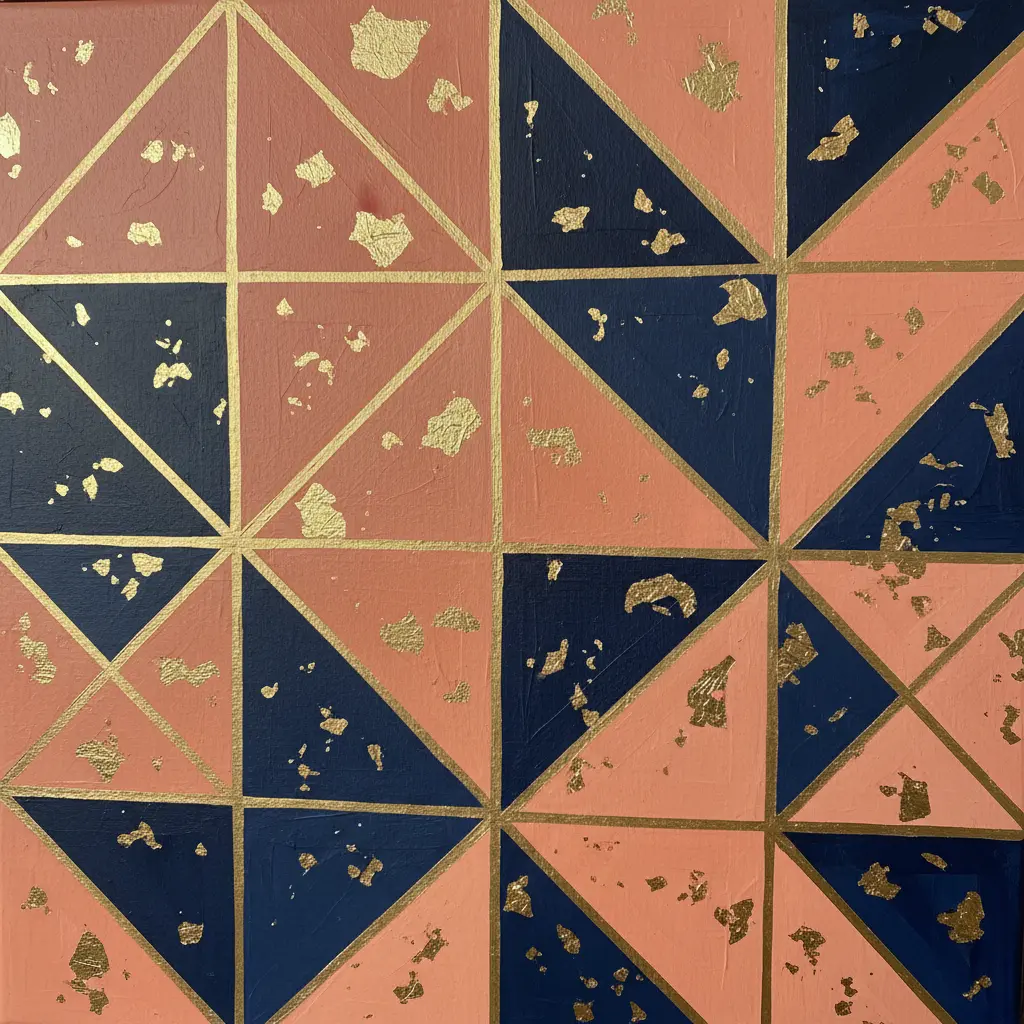
This trick adds a flash of modern luxury to anything with a clean edge. You start by planning your geometric pattern, using low-tack painter’s tape to mask off crisp stripes or triangles along the object’s border. Then you apply a special adhesive, let it get tacky, and carefully lay down the metallic leaf.
The key is pressing it gently with a soft brush so it sticks without tearing. When you peel the tape away, you reveal a brilliant, sharp-edged design that looks professionally done. It works because that metallic sheen instantly elevates a simple shape into something special for anyone teaching geometric painting ideas for kids.
I love how this project bridges classic craft with a clean, contemporary look. If your young artist is excited about textures and shine, they might get a kick out of trying rainbow handprint art ideas too. The payoff here is pure satisfaction—seeing that ordinary item transform with a geometric, gilded border.
10. Overlapping Watercolor Shape Transparency Project
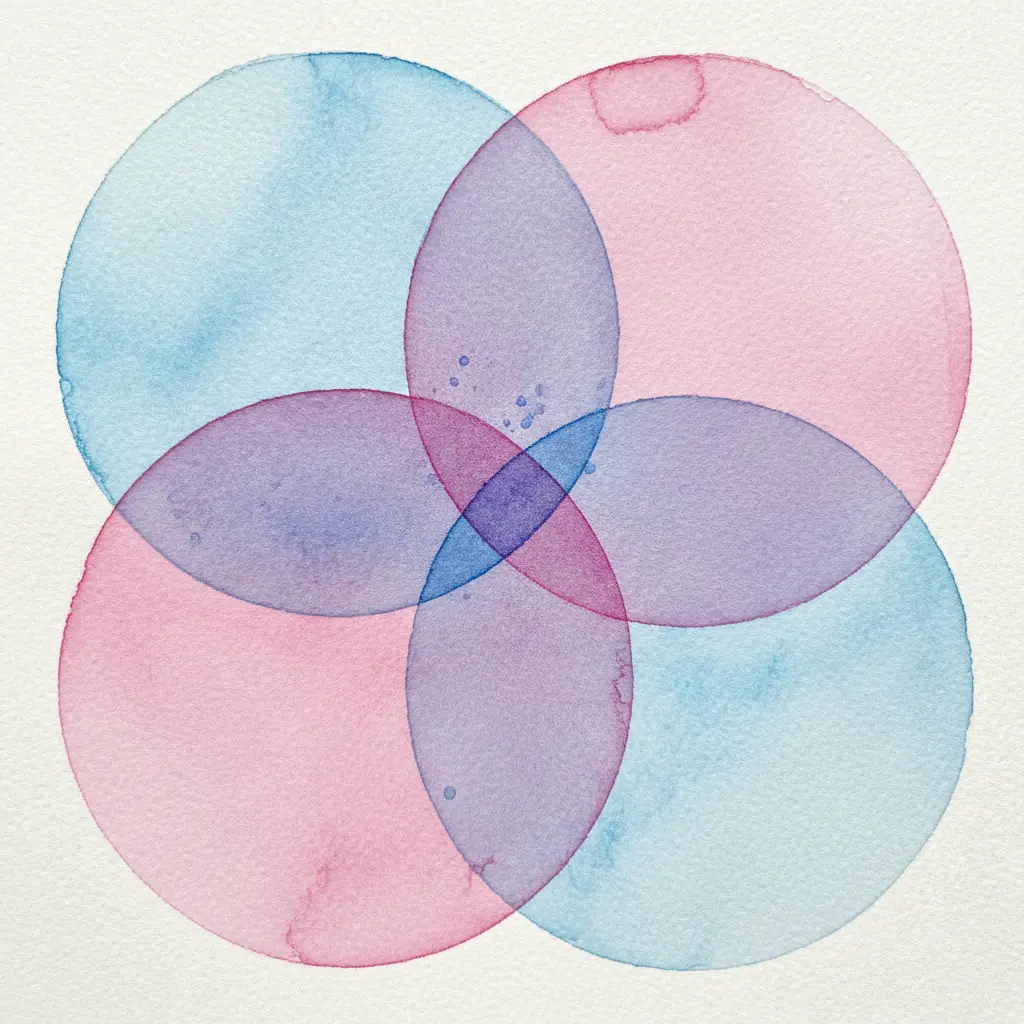
This project is all about layering transparent watercolor washes. You paint one geometric shape, let it dry completely, then paint another shape that overlaps it. The magic happens where the colors meet, creating a new, luminous hue right on the paper.
The most important practical tip is patience between layers. Let each shape dry fully before adding the next one. This clearly demonstrates the transparent quality of watercolor when guiding geometric painting ideas for kids. It prevents muddy colors and gives you those crisp, beautiful overlaps.
It is a fantastic way to explore color theory with children. For adding crisp outlines or details to your dried shapes, a set of Sharpie marker craft ideas serves as a great next step. Your final piece will have a wonderful sense of depth and light.
11. Canvas Art with Intersecting Taped Lines
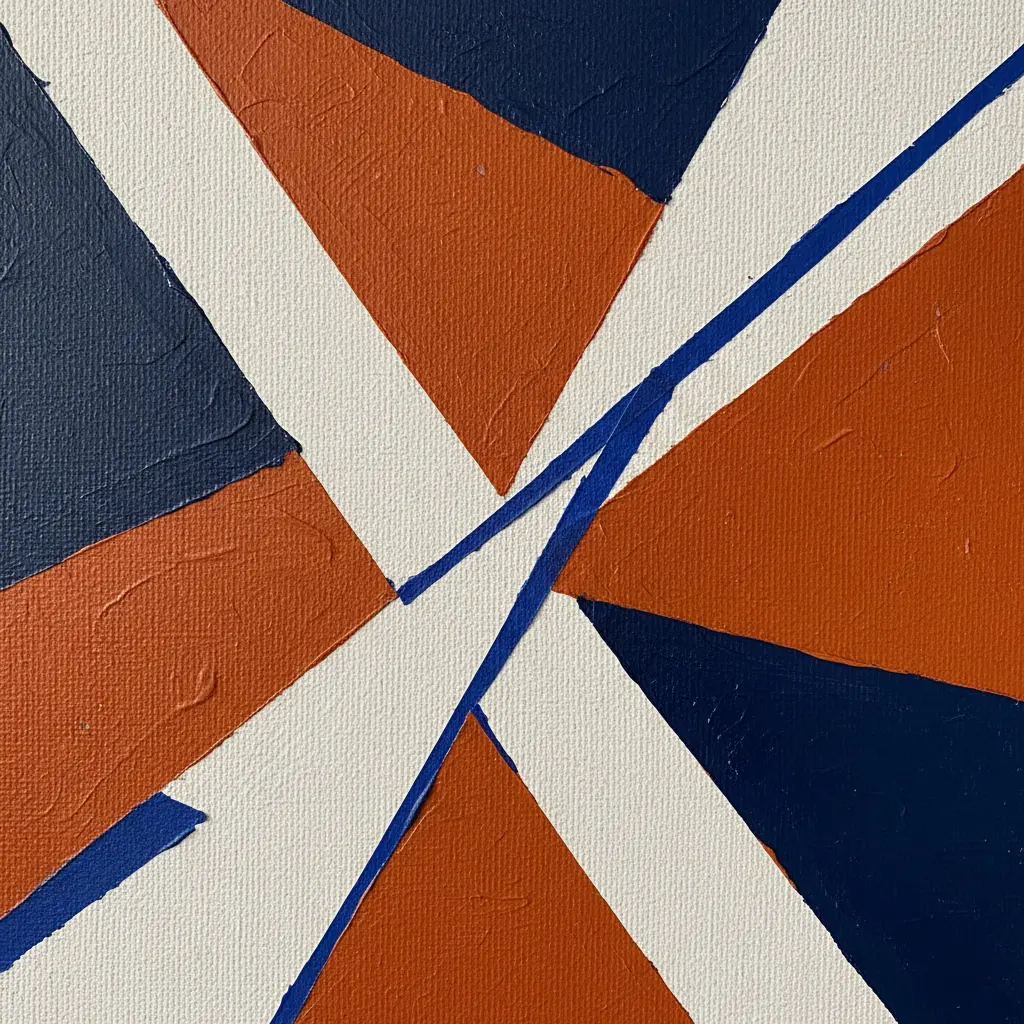
This is the project that looks so precise, but remains a breeze for beginners. You simply place strips of painter’s tape on your canvas to create a grid or pattern, then fill the open spaces with bold acrylic colors. The magic happens when you peel the tape away to reveal those clean, sharp lines you did not have to paint by hand.
I love this one because it guarantees a modern, geometric look without needing a steady hand. You layer different colors in the shapes or use a sponge brush for a smooth texture while executing these geometric painting ideas for kids. It is all about the satisfying reveal.
This technique works wonderfully because it is forgiving and the results always look intentional. It is a fantastic gateway into more complex mixed media painting projects, as you get comfortable building up layers and textures. Trust me, you will feel so proud when you see that final, crisp design.
12. Color Gradient Hexagon Pattern Panel
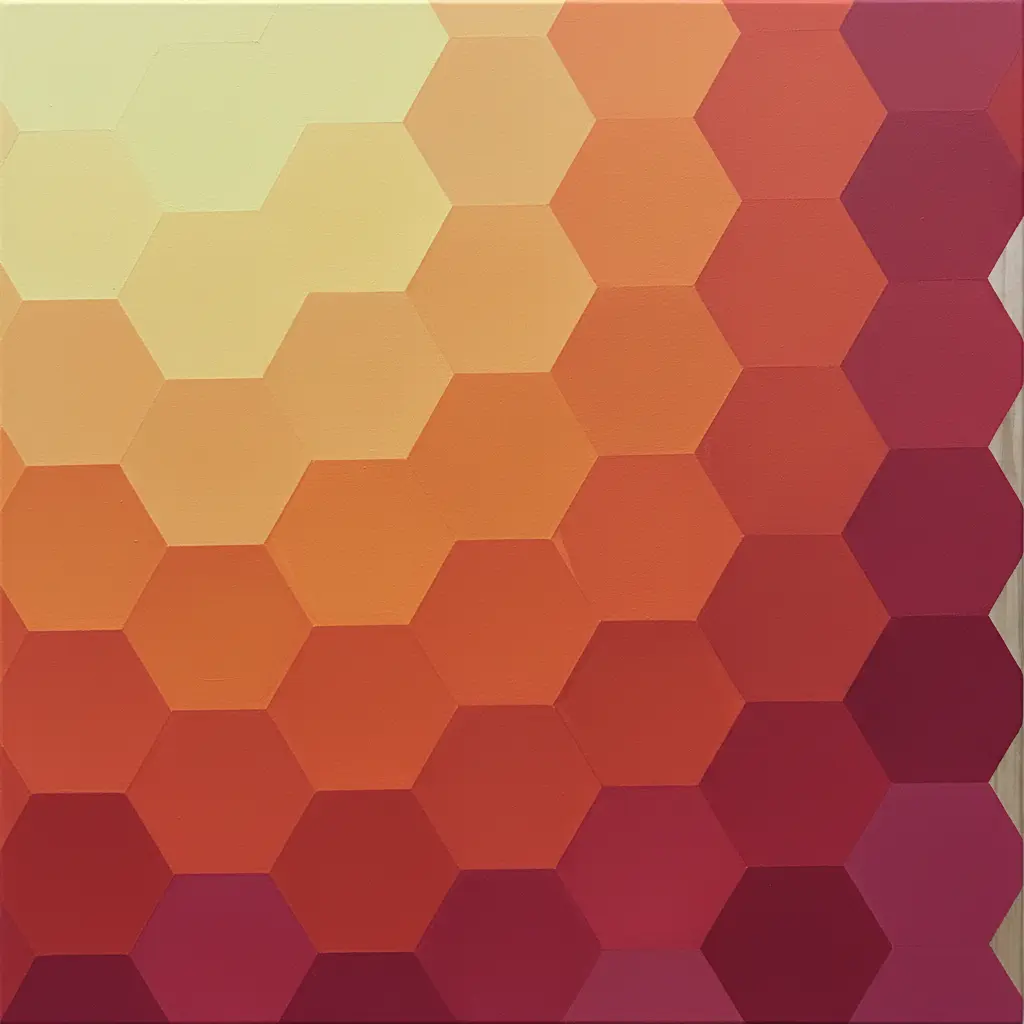
Start by laying out a honeycomb grid on your panel using a hexagon stencil. Pick two or three colors that sit next to each other on the color wheel for the most pleasing effect. The magic happens when you blend the paints while they are still wet.
Apply your first color, then immediately add the next right beside it. Use a soft blending brush to gently push the wet edges together, creating that gorgeous, gradual shift. This blending technique feels like a little science experiment with pigment when planning geometric painting ideas for kids.
It works because the orderly hexagon grid gives the eye a place to rest, while the flowing gradient adds a soft, almost magical movement. A great tip for beginners is practicing your blend on a scrap piece first to feel the paint’s timing. Once you get it right on the panel, you have a stunning piece of modern wall art that feels fresh and dynamic.
13. Black Outline Geometric Shape Collage
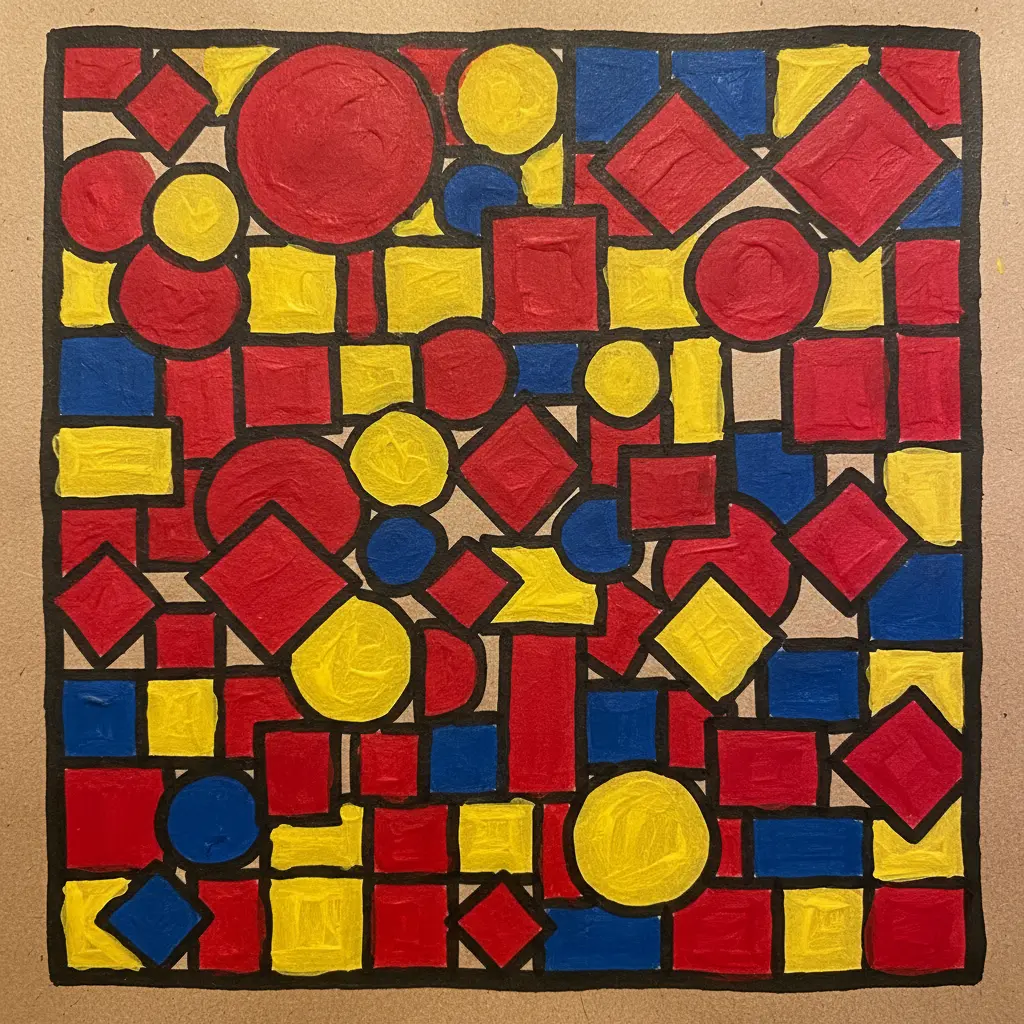
The process is wonderfully simple. You cut crisp geometric shapes from black paper and arrange them on a light background. The trick is playing with how they overlap and the empty space between them to achieve balance.
I love how this project makes you think like an artist. You sketch your composition first, then cut and place your pieces. The most important tip is to arrange everything without glue first so you experiment freely, which perfectly illustrates foundational concepts within geometric painting ideas for kids.
Does that not look stunning when you are done?
14. Sharp Cornered Abstract Square Painting
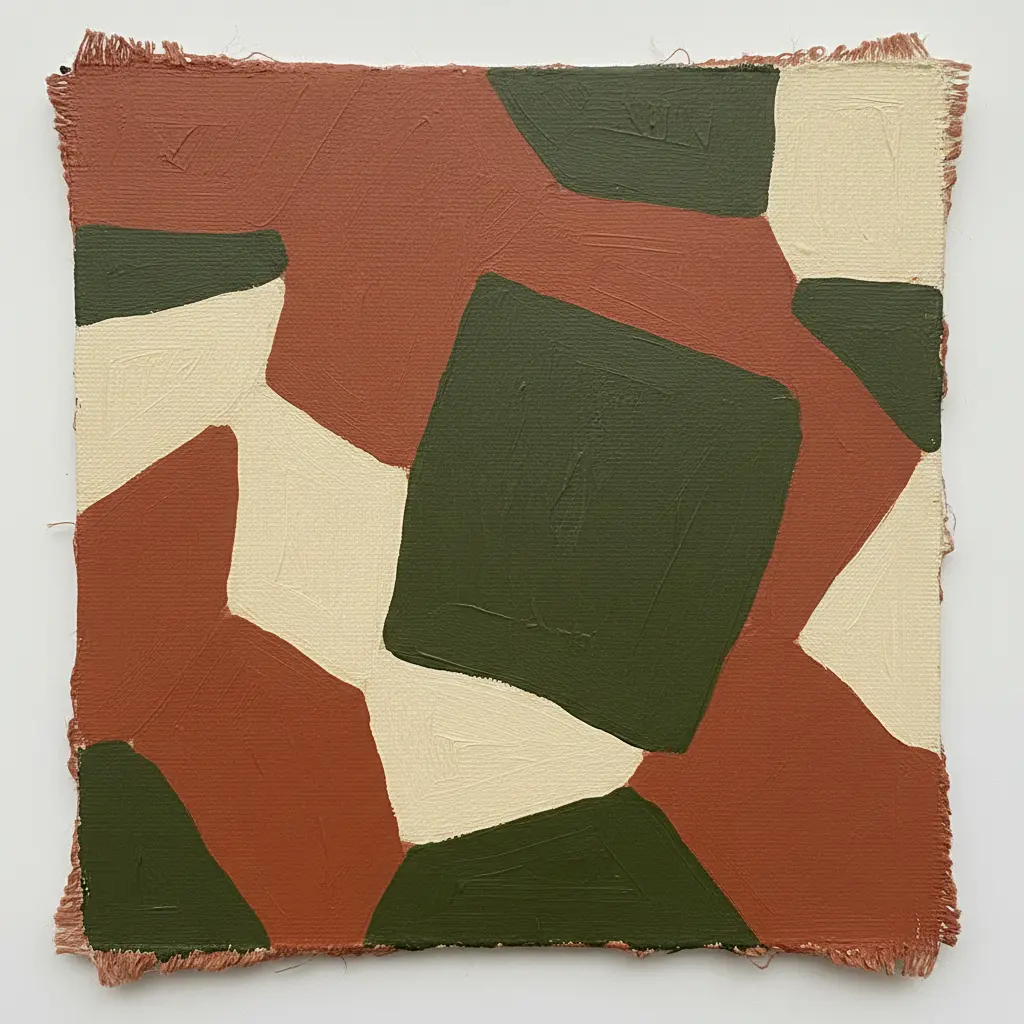
This one is a total confidence booster for young artists. You start with a square canvas and a pencil, sketching out crisp lines and sharp angles to create your geometric design. Then comes the fun part of masking and painting each bold color section.
I love how using artist’s masking tape makes every edge look perfectly sharp and professional. You press it down firmly, paint your acrylic color, and peel it back to reveal a clean line while practicing geometric painting ideas for kids. Repeating this process for each shape guarantees a polished result.
It works so well because the final piece feels modern and intentional, like a real piece of gallery art. For a cool extra layer of texture, you can explore adding metallic details with some foil craft techniques and ideas once the paint is completely dry. Does that not sound satisfying?
15. Geometric Painted Coaster Set
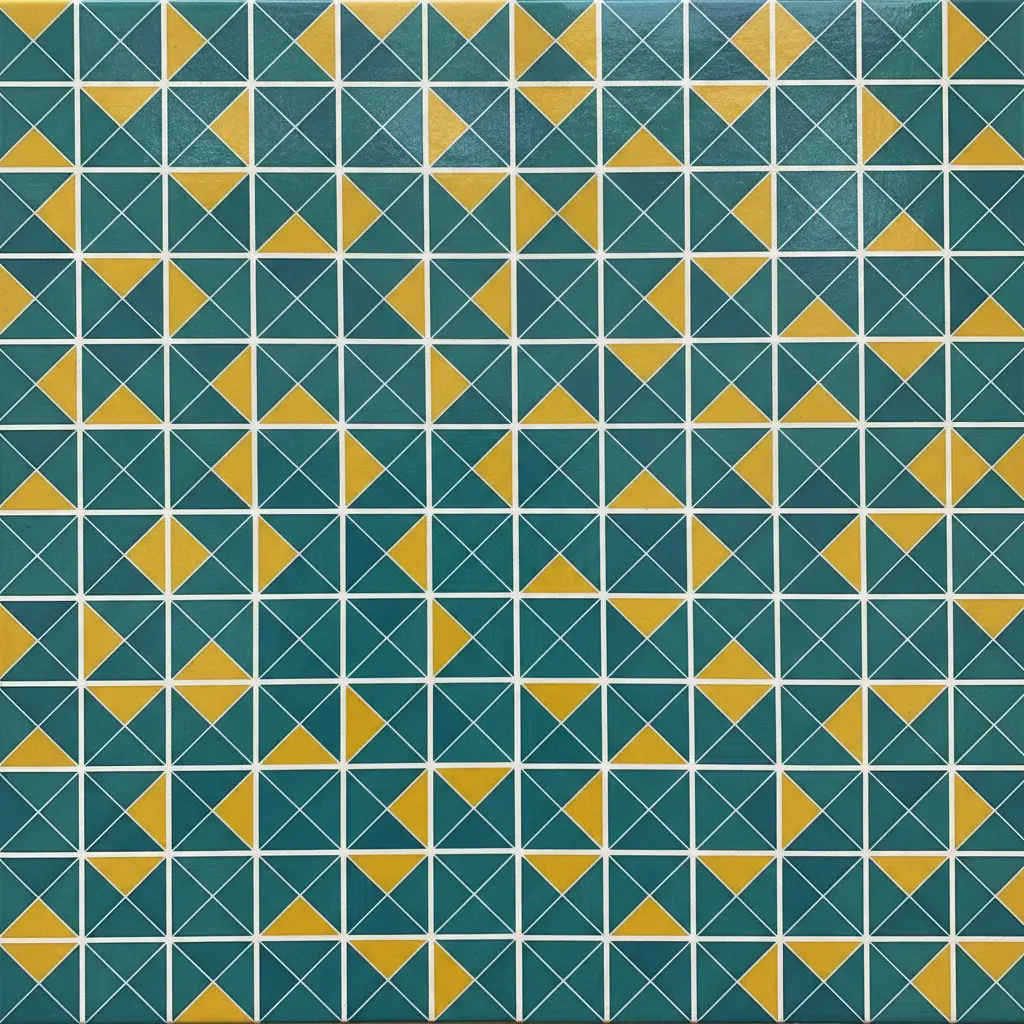
This project looks sharp, but remains incredibly straightforward. You simply plan your design on a wooden or ceramic coaster blank, then use painter’s tape to block off crisp sections before filling them with bright acrylics. I love how each coaster features a different but coordinating pattern, creating a playful set.
The magic lives in the repetition and those clean lines. Let each color dry fully before removing the tape or painting next to it to prevent smudging, ensuring your geometric painting ideas for kids look professional. Trust me, the final step of applying a clear waterproof sealant is non-negotiable.
Feeling proud of a project you actually use every day is the best part. It protects your artwork from condensation and wear, making these coasters both beautiful and durable. Once you have the basics down, you easily apply this geometric approach to a larger hand painted skirt project for a truly custom wardrobe piece.
Preserving Your Finished Geometric Masterpiece
A single coat of clear varnish protects the acrylic paint layers from dust, fading, and curious fingers. Wait at least 24 hours for the paint to cure fully, then apply a matte or gloss finish with a soft, wide brush. Matte varnish eliminates glare and lets the colors speak for themselves.
Apply the varnish in a well-ventilated room with smooth, even strokes, working from one edge to the other to avoid streaks. This final step locks in all that hard work and gives the surface a uniform, professional look. For pieces on paper, a spray-on matte acrylic varnish provides a lighter, more even coat without risking brush marks while preserving your finished geometric painting ideas for kids. Your child’s artwork stays bright and beautiful for years.
Conclusion
Displaying your child’s artwork makes a house feel more alive. Those bold triangles, layered circles, and color-blocked squares carry the energy of the moment they were made, and that is something no store-bought print replaces. With the finishing touches like a clean border or a simple frame, the projects in this list easily become part of your everyday backdrop. Take a look at one you completed together and decide where it brightens a hallway or quiet corner.
Perhaps you tackle a larger canvas next or experiment with metallic accents on a geometric animal silhouette. This curated collection of geometric painting ideas for kids acts as your creative launchpad. What matters most is that you made something together, and now you get to live with it.
FAQs
Q: What is the best paint for kids’ geometric art on canvas?
A: Non-toxic acrylic paints work well on canvas and offer bright, lasting color. For younger children, washable tempera paint is a safer alternative that still adheres nicely to heavy-weight paper or canvas boards.
Q: How do I prevent paint bleeding under tape?
A: Burnish the tape edges firmly with a fingernail or a spoon before painting. Use a dry brush with a light first coat, and pull the tape off while the paint is still slightly wet for the cleanest lines.
Q: Can I use regular masking tape for geometric designs?
A: Regular masking tape leaves residue and does not seal tightly enough to stop bleeding. Low-tack painter’s tape designed for delicate surfaces gives sharper edges and peels away cleanly without tearing the paper or canvas.
Q: What age group are these geometric painting projects suitable for?
A: These projects adapt well for ages four and up. Preschoolers enjoy sponge stamping and large shape outlines, while older kids handle tape-resist and more detailed color placement with a little guidance.
Q: How do I make kids’ paintings look good enough for wall display?
A: Matting the artwork in a simple white frame instantly elevates the look. Choosing a limited color palette before painting also helps the final piece feel cohesive and intentional, bridging the gap between playful craft and intentional decor.