
Selecting Precise Calibration Tools For Mathematical Construction
Your project’s success hinges on using a precision-cutting tool for every single edge. Planning activities for mathematics day requires that crisp edge so pieces interlock perfectly in a tessellation or form a stable modular unit. Beginners often make the mistake of working with unstable surfaces or skipping the pre-measurement step, but the right tool forces you into accuracy from the start. You will notice a dramatic difference in your final construction’s ability to seal correctly and highlight those proportional relationships you are trying to teach.
Establishing Structural Stability Using Heavyweight Paper Stock
The fastest way to watch a beautiful geometric model collapse is using thin printer paper that struggles to hold a fold. When preparing materials for activities for mathematics day, heavyweight cardstock provides the necessary structural stability for any project involving repeated folding or three-dimensional construction. That firmness ensures your angles stay sharp and your polyhedra or origami forms stand proud without drooping. We tend to skip this step thinking any paper will do, but that intentional choice of material is what separates a clear mathematical demonstration from a floppy, cluttered visual. Your finished piece needs to remain as robust as the concept it represents, so invest in good stock.
1. Modular Origami Geometric Polyhedron Sculpture
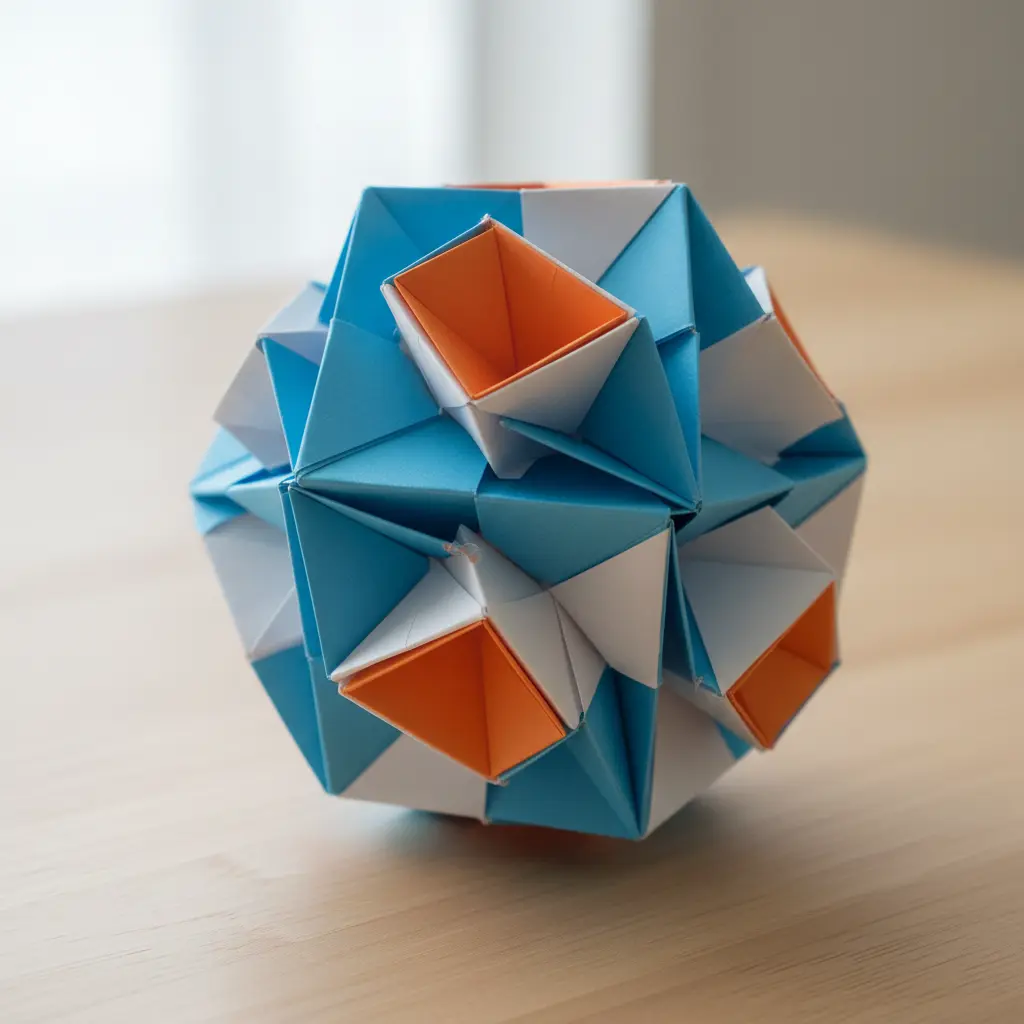
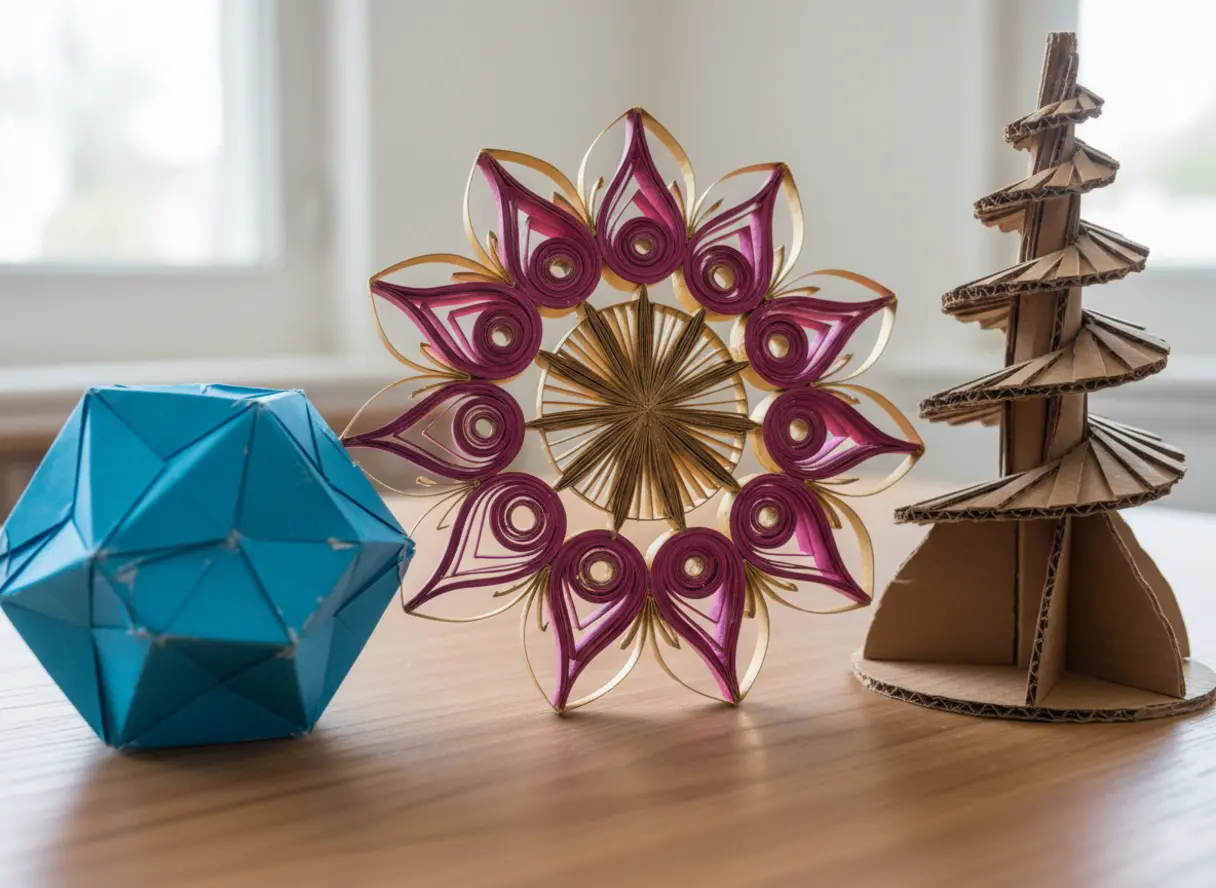
This one looks intimidating, but trust me, it is not as complex as it seems. You essentially build a 3D geometric shape using folded paper squares that lock together, which works perfectly for designing activities for mathematics day in small groups. The process involves making many identical modules, then patiently interlocking them into a solid polyhedron, like a cube or an icosahedron. I love how a stack of flat paper transforms into something so sturdy and detailed.
What makes it so satisfying is the visual proof of geometry you hold in your hands. Each connection relies on the precise folds of your individual modules, so taking your time here remains key. If your kids already understand basic shapes, this serves as a fantastic next step to explore 3D forms. For an even stronger foundation, you might build on those earlier lessons with some fun shape learning activities for kids.
Do not force the pieces together. If a connection feels tight, gently check your folds. The moment that last piece clicks into place brings pure magic.
2. Colorful Radial Symmetry Paper Mandala
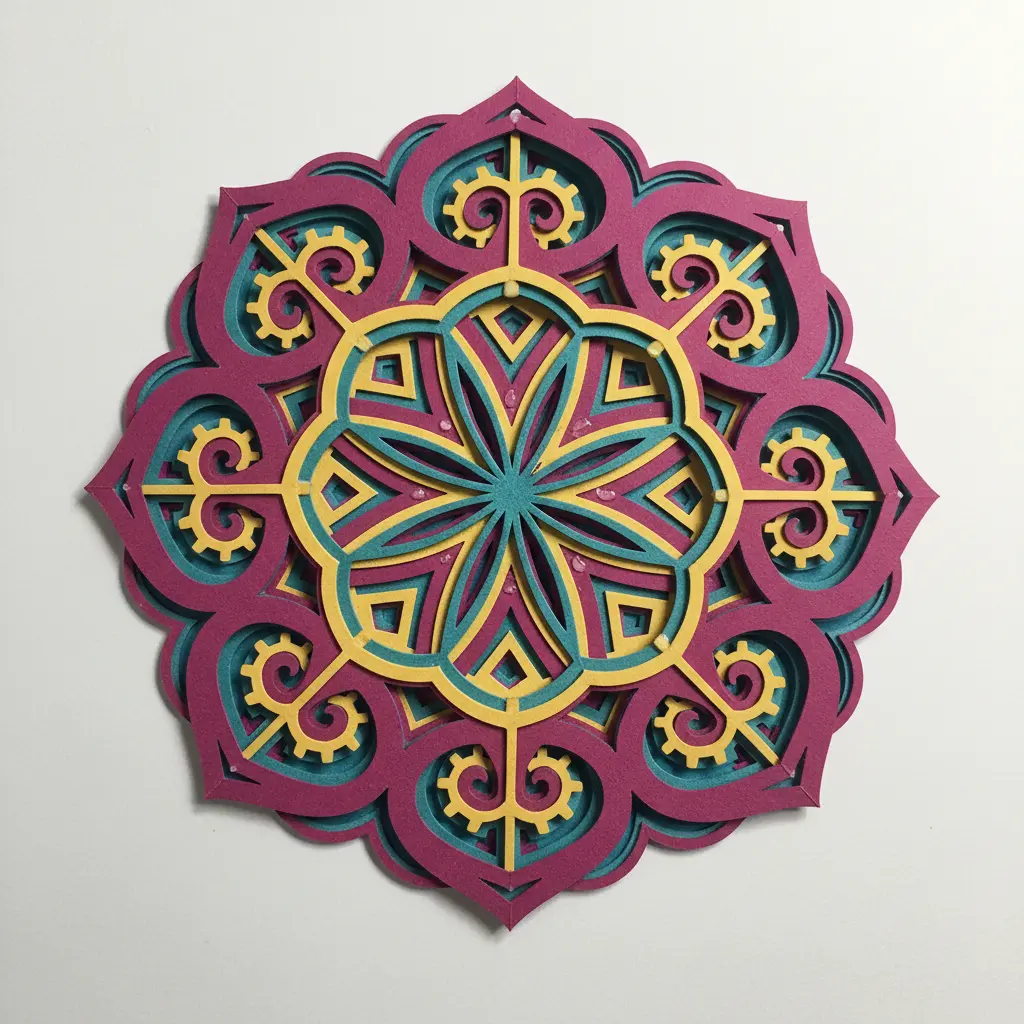
Ever wondered how artists create those perfectly balanced circular patterns? You simply start with a basic compass and a protractor. Drawing concentric circles, dividing them into equal sections, and filling each wedge with identical paper shapes makes organizing activities for mathematics day remarkably straightforward. The magic rests in the repetition, cutting and layering elements like cardstock and origami paper to build outward from the center.
I love how this project makes geometry feel like play. Watching symmetry and division come alive in your hands shows exactly why educators choose these projects. The final payoff leaves you incredibly satisfied, leaving you with a vibrant piece of art you proudly display. For a fantastic way to expand your geometric art skills, mastering creative geometric painting ideas is a logical next step.
3. Geometric Nail and String Art Design
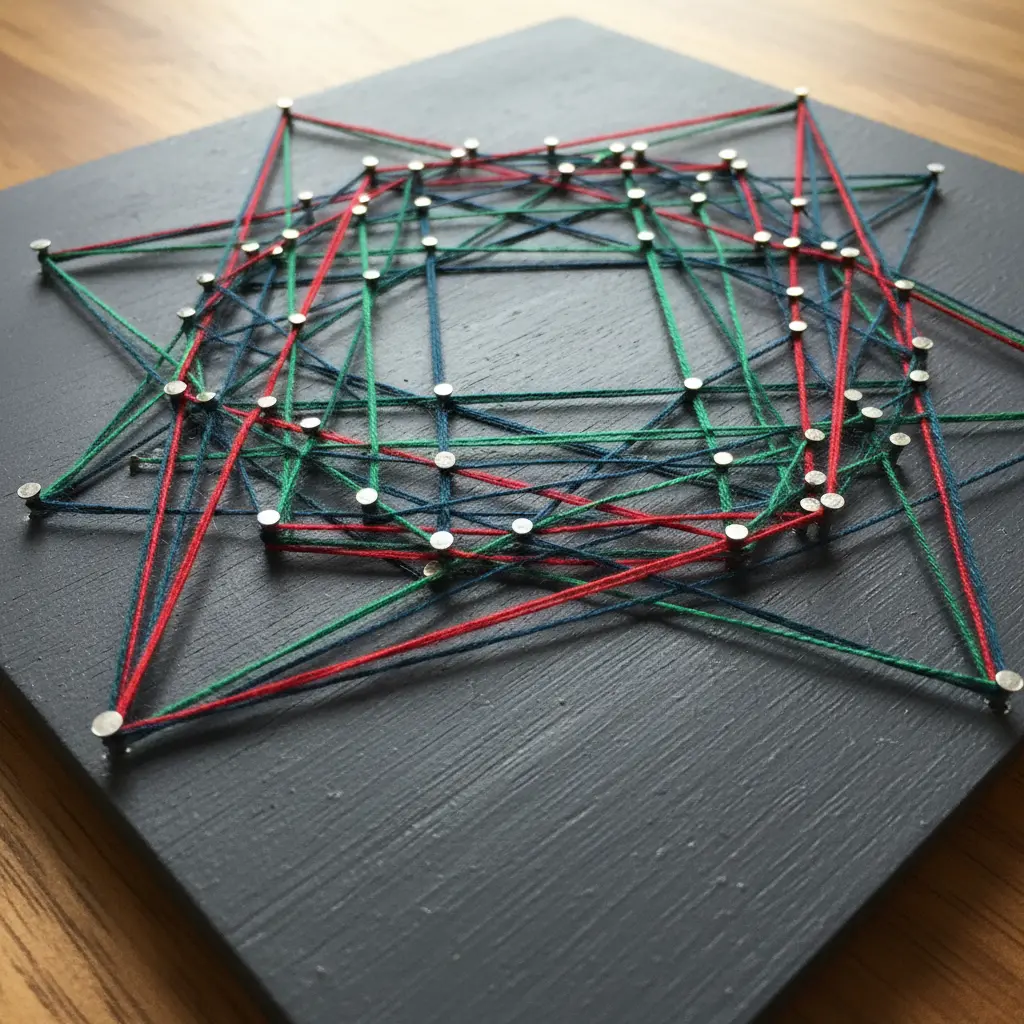
It looks so complex, but this project surprises everyone with how approachable it remains. You hammer small nails into a wooden board in a precise pattern, then weave string between them to form shapes like stars or hexagons. Watching the straight lines and angles converge into something that feels almost three-dimensional proves why we schedule this for activities for mathematics day. The process feels wonderfully tactile and methodical.
You start with a simple pencil sketch, tap in your nails, and then reach the satisfying part of wrapping the string. Isn’t it amazing how a single continuous thread builds such a detailed image?
This serves as a fantastic hands-on project for exploring symmetry and patterns. Feel that rush of accomplishment when you tie off the last knot and see your geometric design spring to life.
4. Textured Cardboard Fractal Tree Model
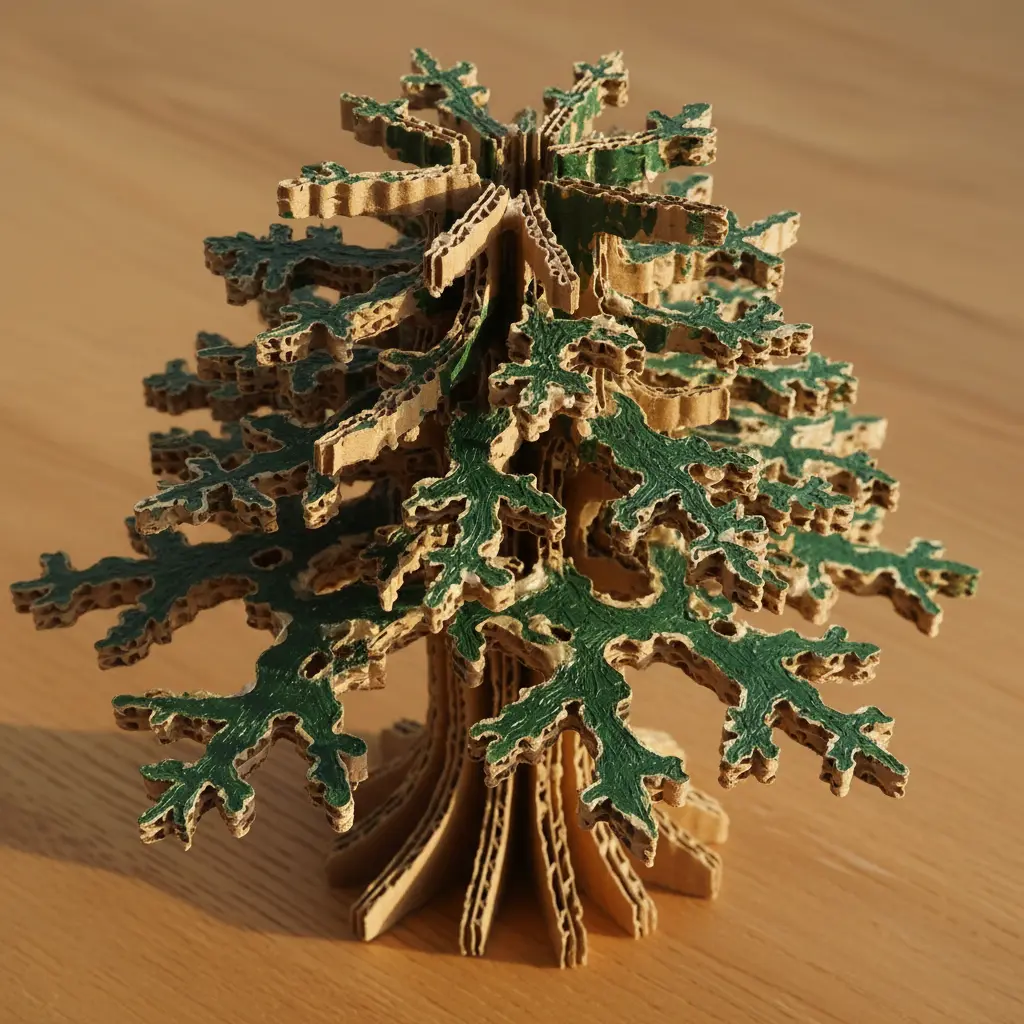
Ever thought math might feel so physical? This model makes the concept of a fractal tree wonderfully tangible. You will design a simple branching pattern, then cut and glue textured cardboard pieces so each new branch copies the last. Seeing the repetition create a beautiful, complex structure right before your eyes defines the best activities for mathematics day for older students.
I love how this model teaches recursion through your hands. You measure the same angle and length reduction each time, watching the pattern emerge. That satisfying click of understanding happens when you step back and see the whole, detailed tree built from one simple rule.
For a fantastic follow-up project that also uses precise measuring and assembly, you might try crafting an owl clock. Both builds fantastic spatial reasoning skills and make learning hands-on.
5. Tessellating Construction Paper Pattern Wall
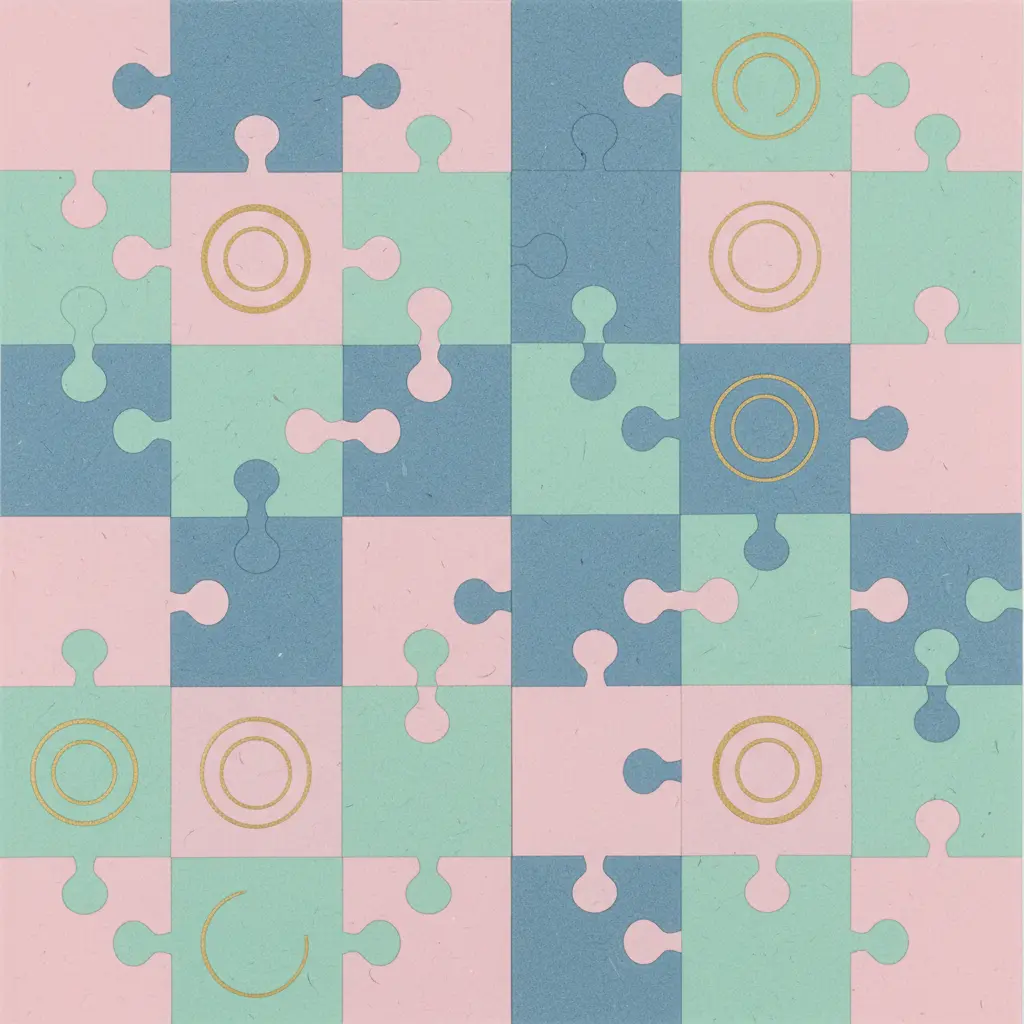
This one looks detailed, but trust me, it remains wonderfully simple to execute. You pick a single shape like a square or hexagon and cut dozens of them from colored construction paper. Then you arrange and stick them to your wall in a perfect, repeating pattern with zero gaps, creating a vibrant backdrop for your activities for mathematics day celebration.
I love how this transforms a blank space into a vibrant, geometric feature. It feels like a giant puzzle coming together. For a cohesive look, plan your color scheme before you start cutting all your pieces.
The result stands as a stunning, personalized wall that celebrates math in a tactile way. Does that not look amazing? If you enjoy hands-on projects, you might find a similar creative satisfaction in making a DIY jar aquarium lamp for another corner of your room.
6. Golden Ratio Spiraled Shell Craft
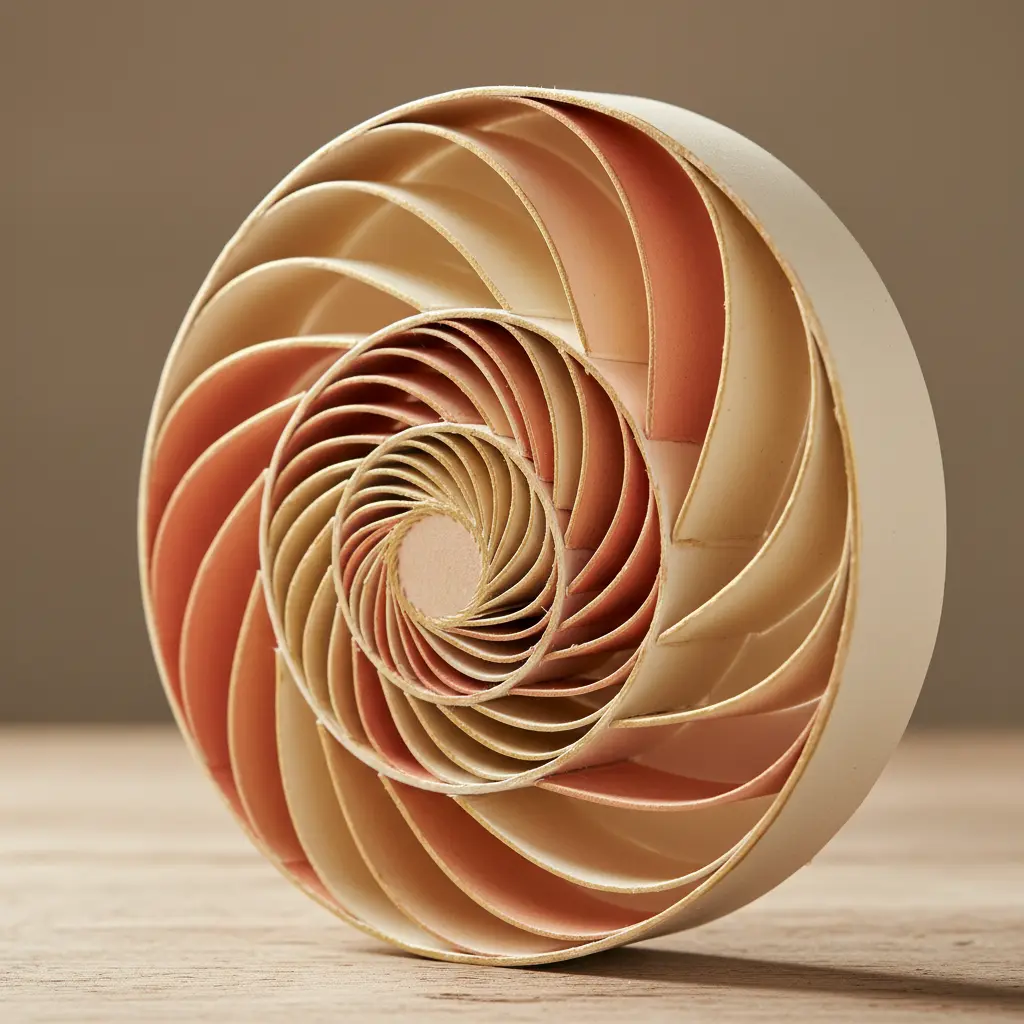
Ever noticed how a nautilus shell appears so perfectly balanced? Nature designs it with mathematical precision. This craft lets you recreate that natural harmony using the Golden Ratio spiral, offering a memorable highlight during activities for mathematics day. You build a series of expanding squares, then connect their corners with a smooth, continuous arc to form the elegant spiral shape.
I love how this makes an abstract concept feel so concrete and beautiful. For a sturdy base to display your creation, try making decorative doily bowls as a perfect stand. Your finished shell serves as a stunning piece of mathematical art.
7. Symmetrical Mirror Paper Blot Painting
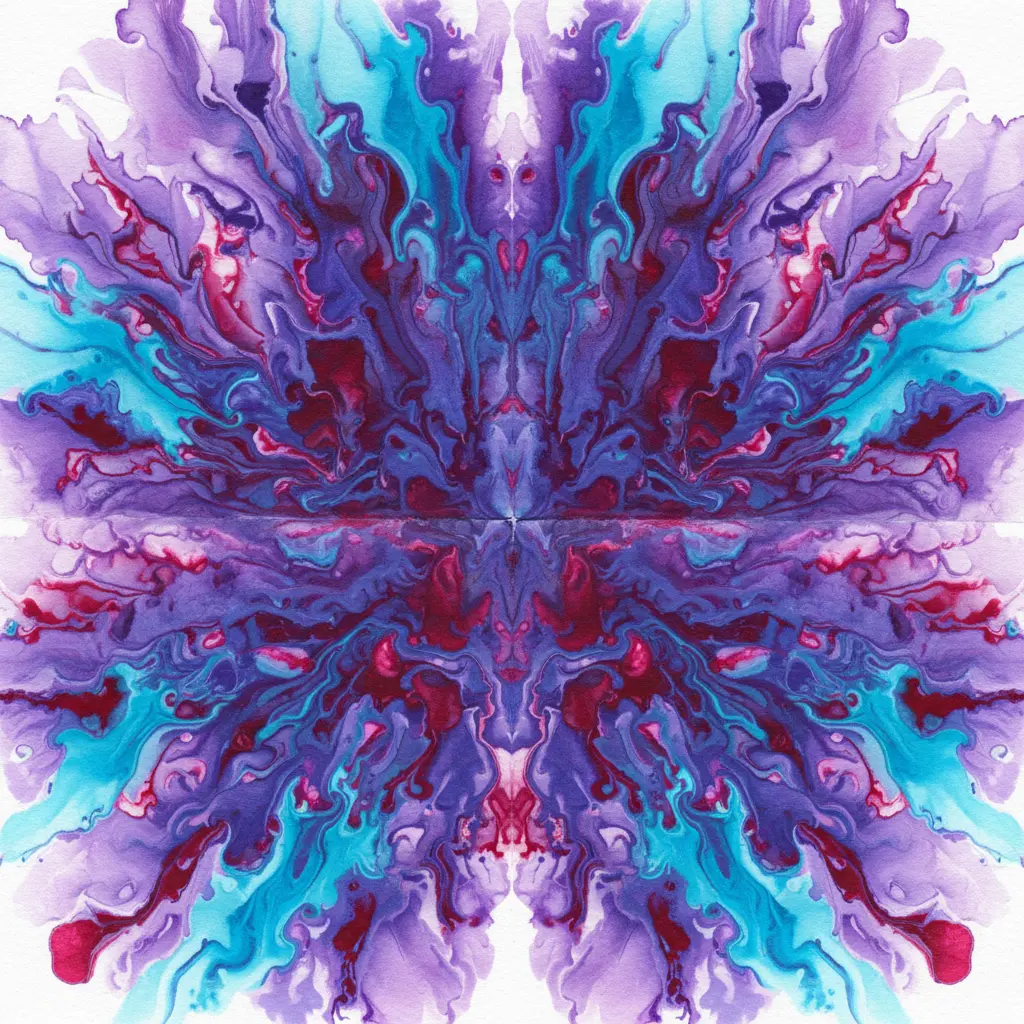
Ever wondered how to create a perfect mirror image without drawing a single line? This activity delivers a delightful surprise. You fold a piece of heavy paper, dab on some fluid paint, and press it together. Unfolding it to reveal the vibrant, symmetrical blot where colors mixed in unpredictable ways makes this one of the easiest activities for mathematics day to run.
It works perfectly for exploring symmetry and color theory. I love how each result stands completely unique, which takes the pressure off getting it exactly right. The key involves using the right amount of paint and applying even pressure when you fold. For another fun way to explore shapes and patterns through play, look into designing creative bubble wands.
Start with a couple of colors and see what abstract masterpiece emerges. It remains a wonderfully simple way to make math feel like pure, joyful art.
8. Wooden Block Geometric Tower Structure
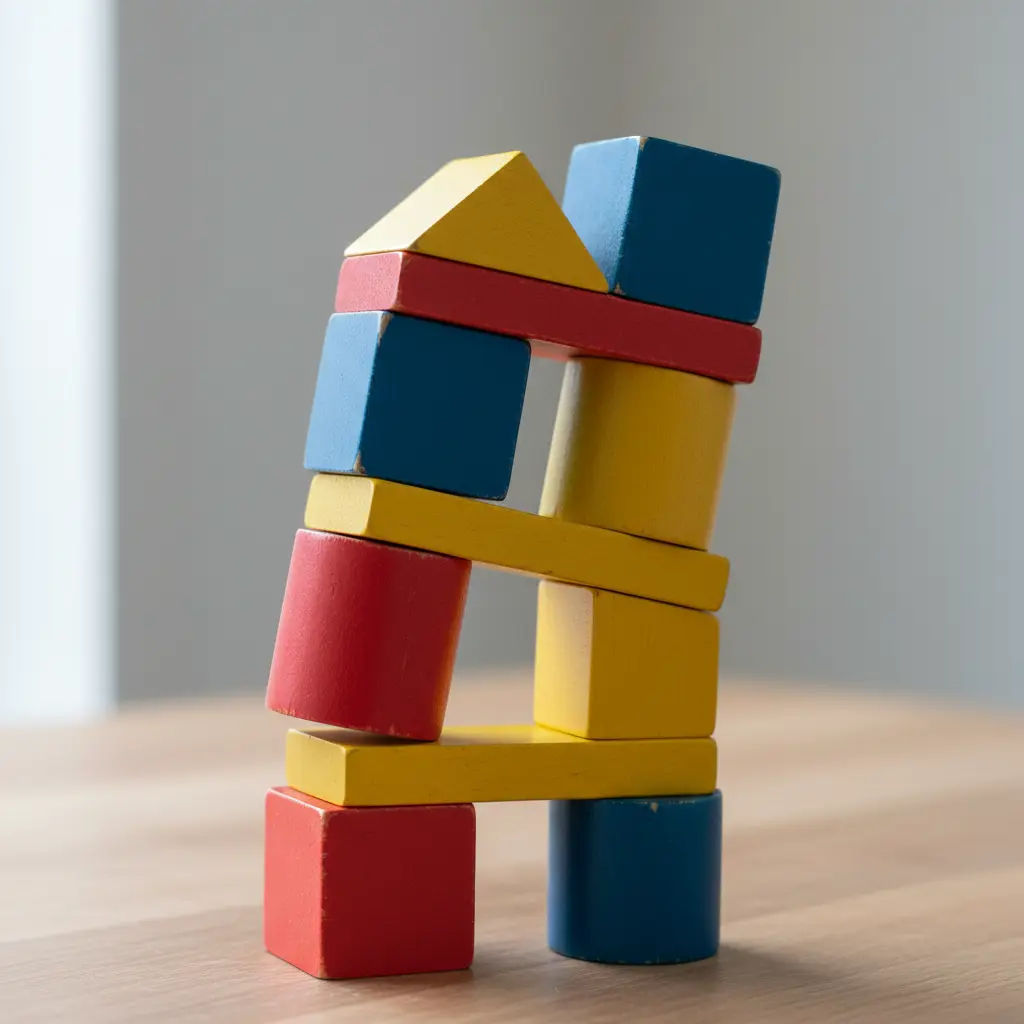
Ever watched a kid stack blocks and wondered how they keep it from toppling? This project mirrors that, but adds a deliberate plan. You select a variety of geometric wooden blocks and lay a wide, stable base. Then you carefully stack and balance each new layer, paying close attention to weight distribution as you go taller, which teaches balance during activities for mathematics day.
The real magic shows how this simple activity teaches fundamental physics. You get a hands-on feel for concepts like center of gravity and structural integrity without even realizing it. I love seeing the moment the lightbulb goes off about why a wider base matters so much.
Your tower might appear symmetrical or wildly creative, but the payoff matches every time. Try it and feel that rush of pride when your structure stands tall and steady.
9. Isometric Grid Pattern Drawing Poster
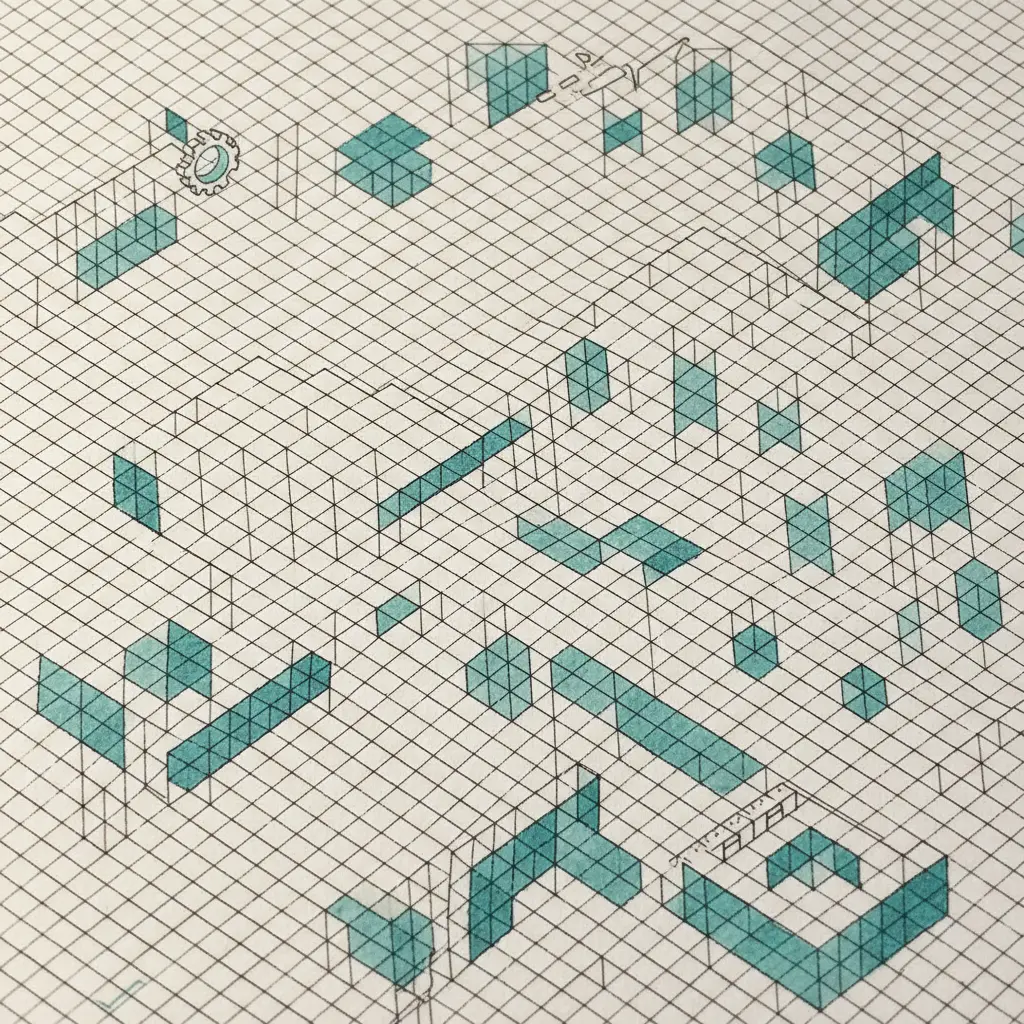
Ever look at a technical drawing grid and see only lines? This poster turns that grid into stunning geometric art. The core idea rests on using the classic 30-degree isometric grid as the main design element, varying line weights and adding subtle shading to create incredible depth. It shows how a mathematical tool becomes beautiful on its own, making it an excellent addition to activities for mathematics day displays.
I love how this makes an abstract concept so visually accessible. The poster uses a sophisticated color palette of cool grays and soft blues, with a single vibrant accent color for a surprising pop. Seeing the grid this way reminds you that every complex 3D form starts with this simple, elegant structure.
It serves as a perfect project to celebrate math visually, and you might even gift your finished poster as a homemade teacher crayon wreath for a classroom display. Feel proud when you step back and see the pattern come to life.
10. Math Symbol Cutout Classroom Banner
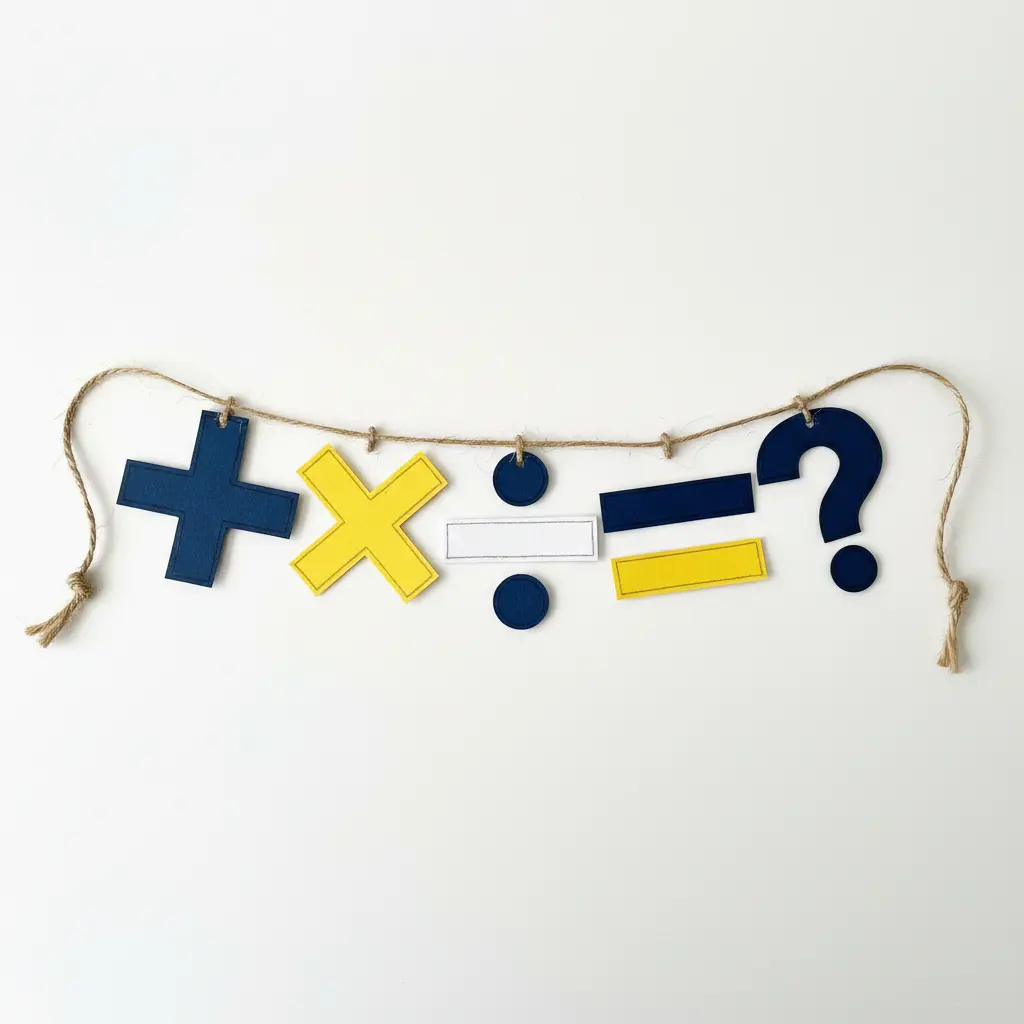
Who would have thought a classroom decoration might prove this effective? This project revolves around creating a bold banner with large, clear cutouts of symbols like plus, minus, and pi. You design each symbol digitally, print them on thick cardstock, and then laminate the pieces for durability, securing them for future activities for mathematics day. String them together or stick them right on the wall for a constant visual reference.
It works because students see the symbols daily, which helps lock in their meaning without extra effort. I love that this turns your walls into a learning tool. A great parallel project involves crafting bottle cap bugs, which also reuses simple materials for a fun, hands-on result. Feel that sense of accomplishment when your math space springs to life.
11. Geoboard Rubber Band Shape Design
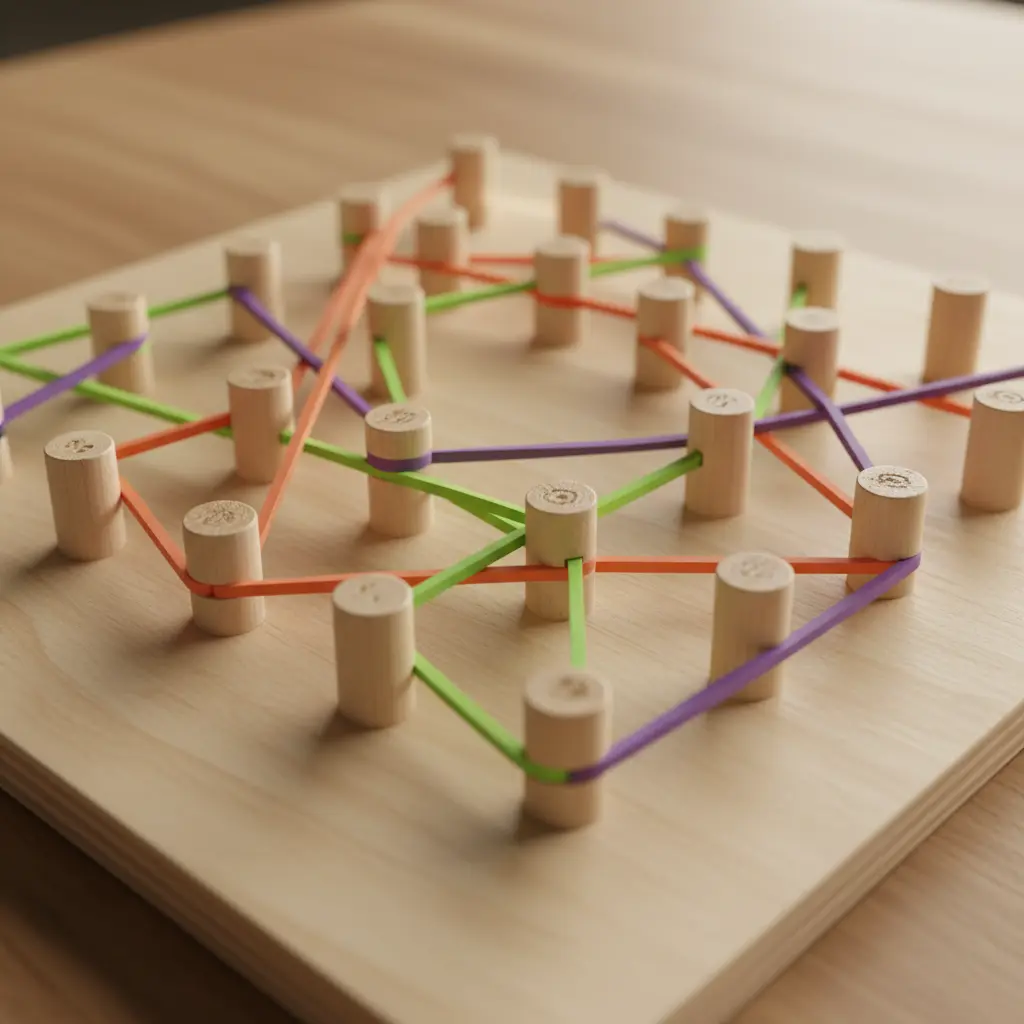
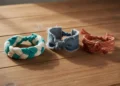
Ever wondered how those dot patterns on a board actually work? A geoboard allows you to stretch colored rubber bands between pegs, creating shapes right before your eyes. Starting with simple squares and triangles helps you grasp the technique. Layering bands to form letters, numbers, or intricate geometric art provides endless variations for your activities for mathematics day lineup.
This proves so effective because it gives you instant, hands-on feedback on abstract concepts like area and perimeter. Your design snaps into clarity the moment the band goes taut. For a more complex composition, the skills you build here translate directly to exploring mixed media painting where layering different elements matters.
Trust me on this one, begin with smaller bands for control. The satisfaction of completing a perfect shape remains a fantastic feeling.
12. 3D Geometric Shape Mobiles Display
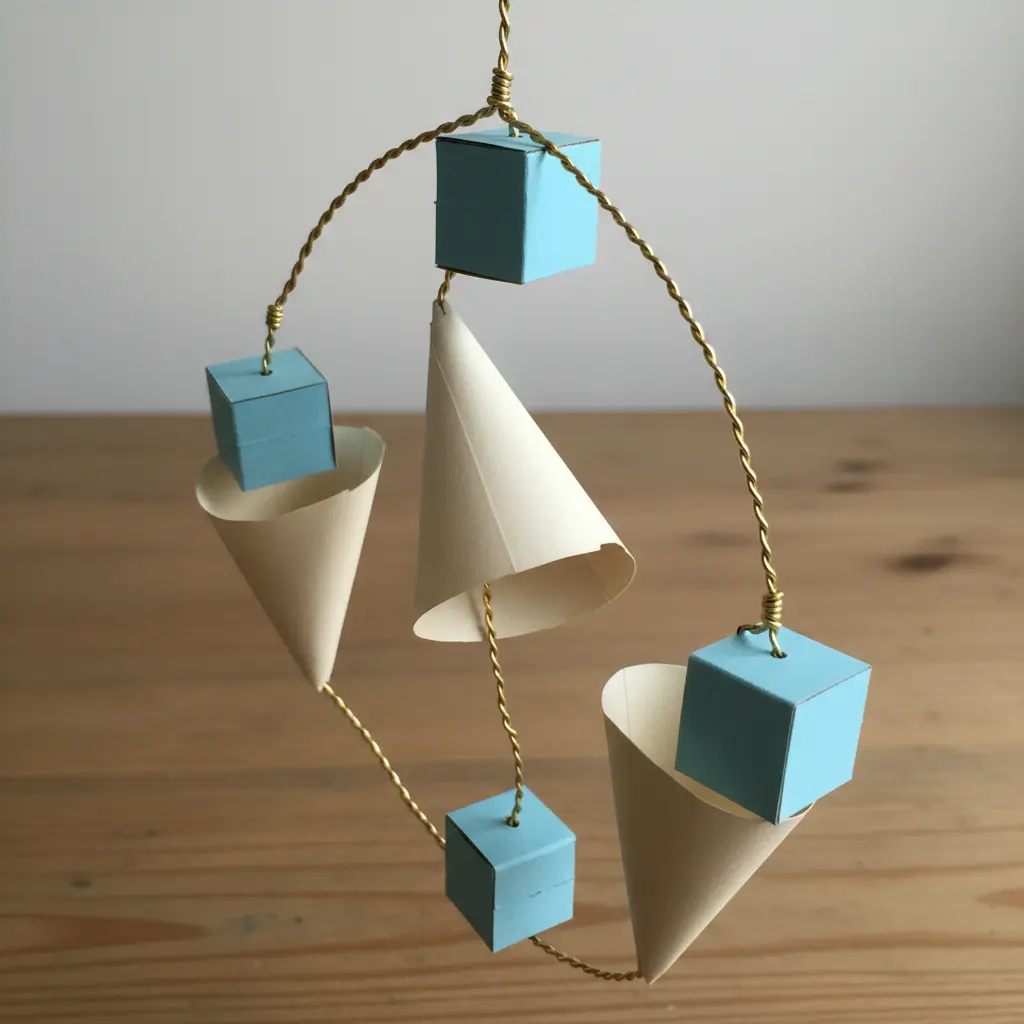
Ever wondered how to make math feel a bit more magical? This project transforms a simple lesson into a dynamic, floating sculpture. You construct chosen shapes from cardstock templates, then connect them with a lightweight wire armature to balance everything perfectly. Watching them spin gracefully becomes a favorite moment during activities for mathematics day workshops.
The real secret rests in the balancing act. You adjust each shape hanging point until the whole assembly hangs level and spins freely. It stands as a fantastic, hands-on way to visualize spatial relationships and physics principles.
I love how it becomes a moving piece of art for your space. For a great first project, the planning mirrors creating a photo collage where you arrange elements for visual harmony before committing. Trust me, seeing your geometric shapes dance in the air feels incredibly rewarding.
13. Pascal Triangle Colored Bead Grid
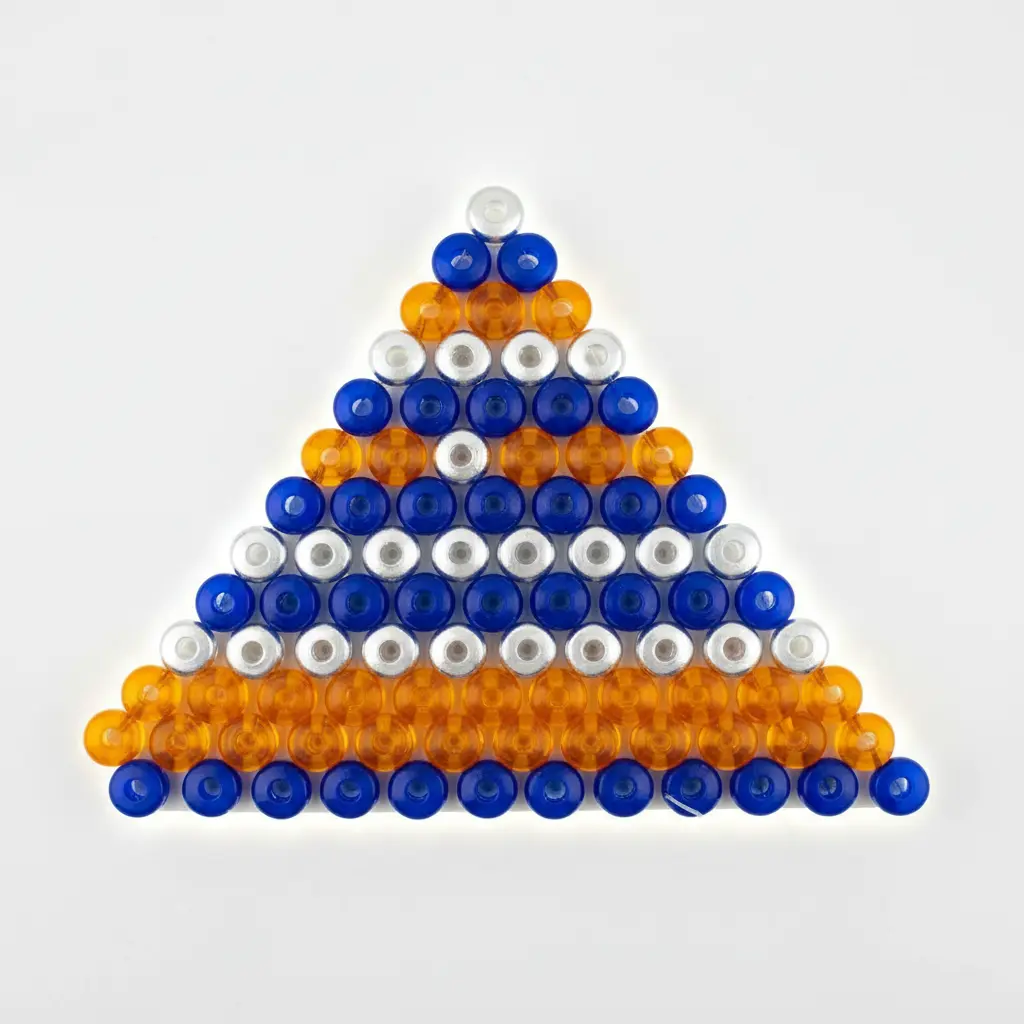
Ever wondered how a simple pattern of numbers might create a stunning fractal? This activity brings the magic of Pascal’s Triangle right to your fingertips. You calculate the numbers for a set of rows and assign each one a bead color based on a simple rule, like whether it remains even or odd. Placing beads into a triangular grid pattern reveals the hidden Sierpinski pattern, cementing this as one of the most visual activities for mathematics day.
I love how arranging these beads transforms abstract math into a beautiful, tactile piece of art. Try it and feel the satisfaction when the geometric pattern emerges from your own hands.
14. Graph Paper Pixel Art Mural
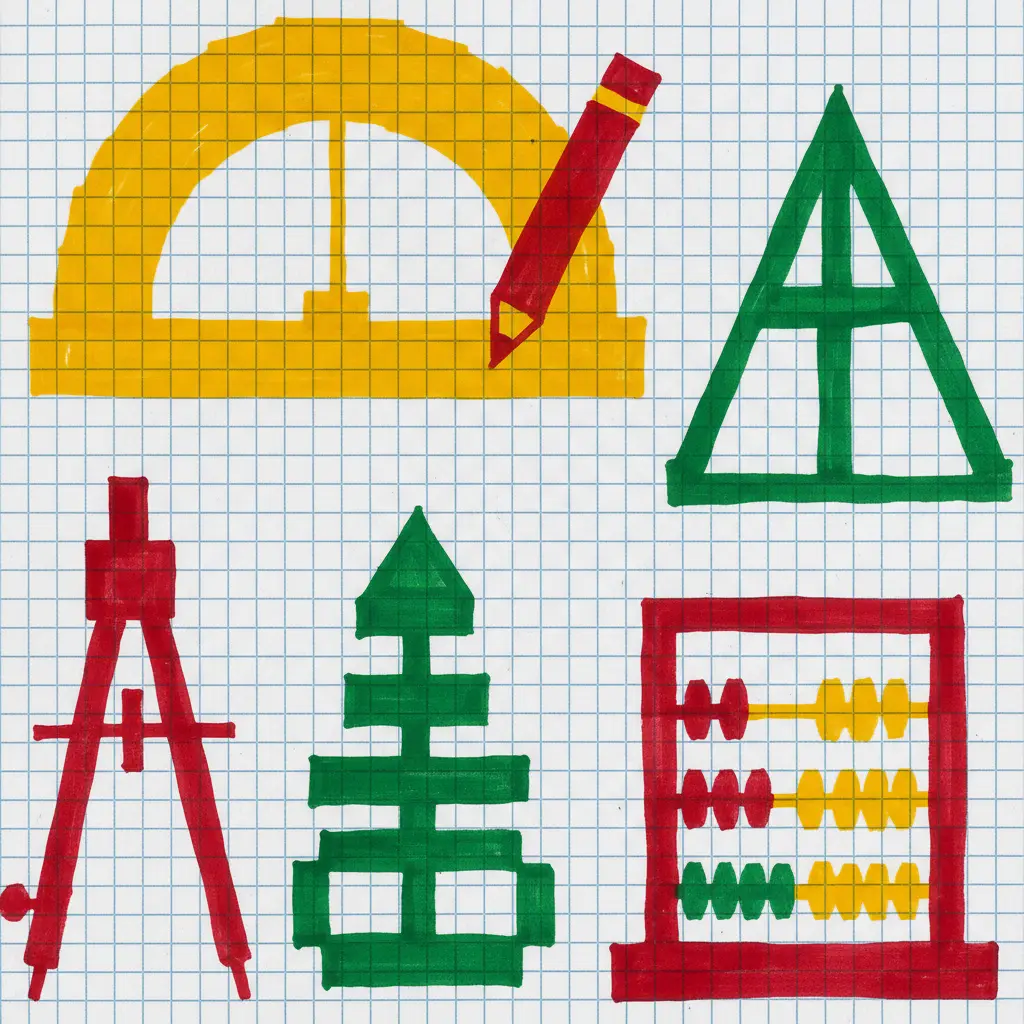
Who would have thought that painting by numbers might feel this epic? This project transforms a blank wall into a giant, vibrant piece of graph paper pixel art. You measure and tape off a perfect grid, then fill in each square with color to build your design, block by block, keeping students engaged throughout activities for mathematics day.
It stays surprisingly accessible because you avoid freehand drawing. The magic resides in the planning. I love using a laser level for speed and accuracy when marking my grid lines on the wall. That tool saves time for keeping everything perfectly square.
The final result becomes a stunning, custom focal point that feels both retro and modern. It serves as a fantastic group project for a classroom or club, turning math and planning into a shared visual triumph. For another project that brings people together with a festive, hands-on build, try making a shamrock wreath. Does that not look stunning when you step back and see your giant pixelated masterpiece complete?
15. Symmetric Clay Embossed Stamp Craft
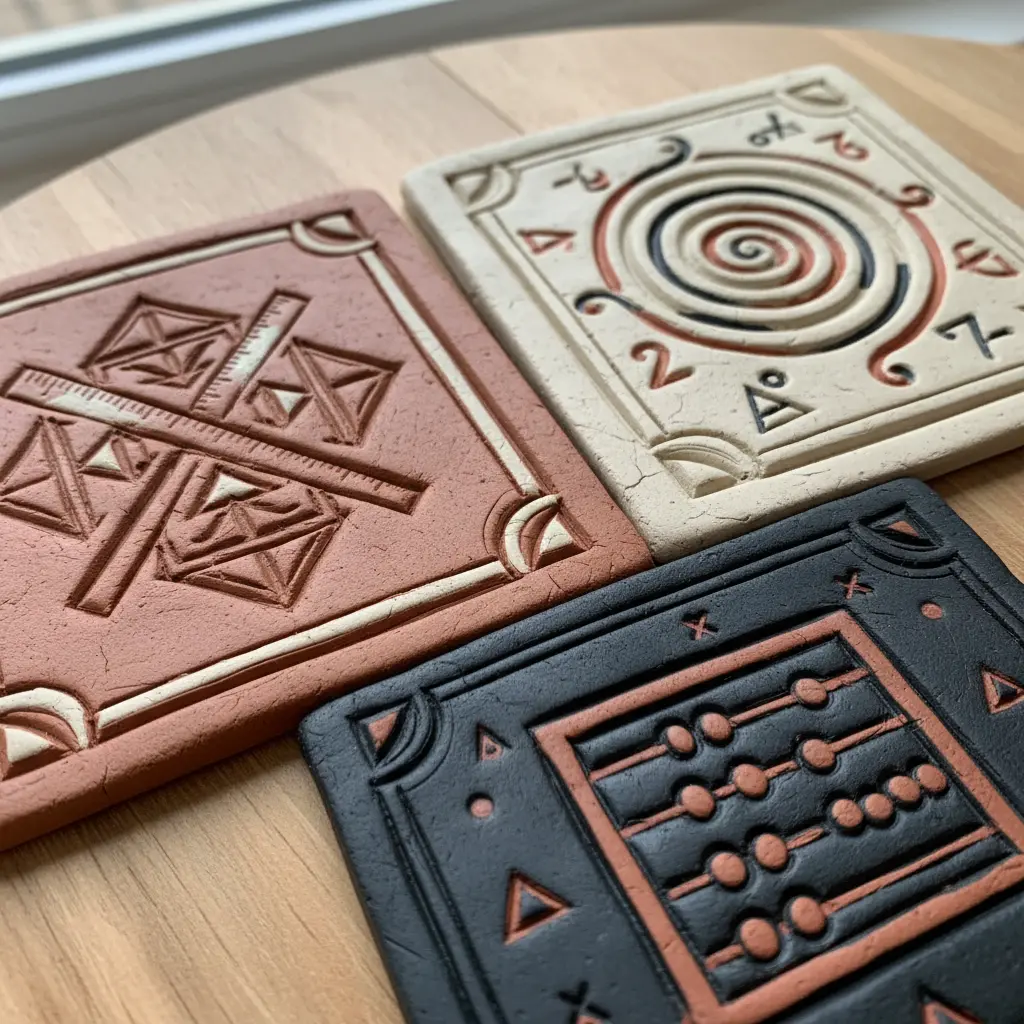
This one blends art and math perfectly. You create a reusable stamp by pressing a mirrored pattern into a clay block. I love using simple air-dry clay for this because it stays forgiving. Roll it flat, then press objects like leaves or buttons into one half before folding the clay over to mirror the impression. The predictable symmetry makes this project ideal for hands-on activities for mathematics day.
That symmetrical design delivers deep visual satisfaction. It feels like magic when you press your finished stamp onto paper and see a perfect, balanced print. For a great follow-up project, you might try crafting a flower pot card to decorate with your new stamps.
Preserving Geometric Projects Using Lamination And Mounting
A cold laminator sheet pressed over your finished coordinate plot or paper tessellation protects those precise lines from fingerprints and fading for years. Applying this step to every finished piece from your activities for mathematics day transforms temporary demonstrations into permanent reference items. You avoid using spray varnish on these detailed paper projects, as it warps delicate cardstock and blurs careful color coding. For mounting, simple foam core board gives your work a professional finish and eases display. This final step of cold lamination locks in all your hard work, ensuring mathematical utility remains the clear focal point.
Conclusion
The real magic arrives when a student sees a complex idea take physical form in their hands. These sessions thrive on that moment of connection, where abstract numbers and rules become something you point to and say, I made that. Picking one project that fits your group energy and gathering those simple materials gets you ready for successful activities for mathematics day. Watching a classroom fill with geometric creations reminds you that math isn’t merely problems on a page but a language for building beautiful things together.
FAQs
Q: What is the best activity for very young students?
A: The symmetrical mirror paper blot painting works exceptionally well. It requires minimal fine motor skills, delivers an instant surprise factor when opened, and clearly demonstrates symmetry. Washable paints ensure easy cleanup after each session.
Q: How can I manage these crafts with limited time?
A: Focus on projects with clear, repetitive steps like the tessellating pattern wall or graph paper pixel art. Prepare material kits in advance and assign small groups to work on identical components for a faster, collaborative finish.
Q: Do I need to buy special art supplies?
A: No. Every project relies on standard classroom or household items like construction paper, cardboard, string, wooden blocks, and glue. The math symbol banner, for example, needs only paper, scissors, and markers to get started.
Q: Which craft best demonstrates a specific math concept?
A: The golden ratio spiraled shell craft visually explains proportional growth. The Pascal Triangle bead grid makes a numerical pattern physical and visible. The modular origami sculpture provides a hands-on lesson in polyhedra and structural assembly.
Q: How do I display these crafts effectively?
A: Create a dedicated classroom gallery wall. Hang the banner and mobiles from the ceiling, use a bulletin board for the tessellation wall and pixel art, and arrange a table for 3D sculptures like the fractal tree and polyhedron models.